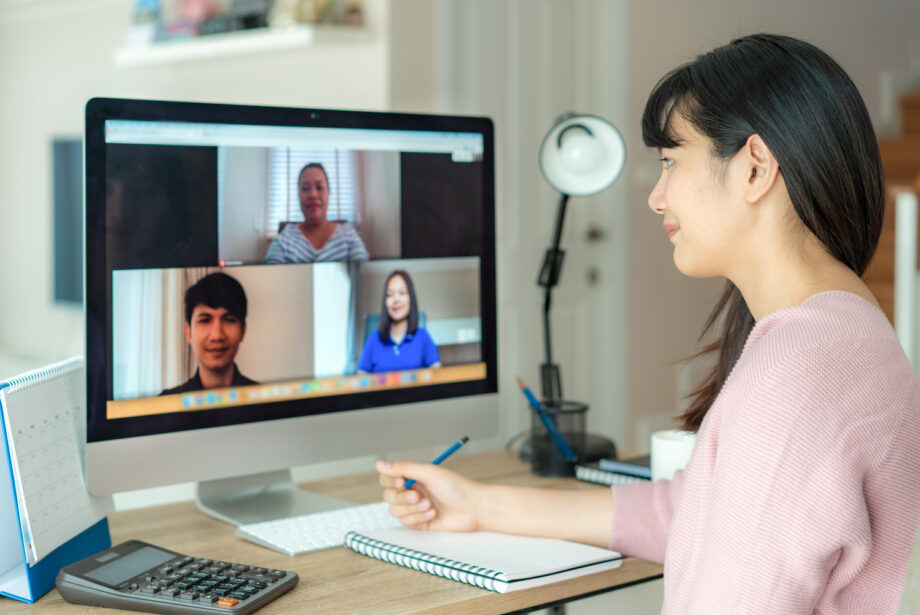
I’m spending the evening on the couch with my wife after our 2-year-old son has gone to bed. We are both working — finally able to focus after a day of juggling calls, emails and paperwork alongside diaper changes, playtime and naptime.
Like everyone else, our lives have been turned upside down by coronavirus, and we are making it work with personal computers, home internet, remote access and virtual meetings.
Only four weeks ago, my company, a local cybersecurity firm, found itself in a mad dash to ensure clients could be productive in this new reality of social distancing, closures and working from home. We purchased laptops, installed remote access software and configured mobile hotspots while continuing to support clients who cannot shut down.
Whether you are still in the weeds or the dust is finally starting to settle on the “new normal,” now is a good time to take a step back and look at cybersecurity for your clinic or business. Because, unfortunately, with this new reality comes new threats.
Avoiding Scams
Email phishing, phone scams and other social engineering attacks are nothing new. But scammers are taking advantage of the fear, uncertainty and isolation caused by the pandemic to aggressively target everyone.
Here are some tips for you, your colleagues and employees to avoid being a victim:
- Be wary of emails or phone calls that play on fear and uncertainty
- Any emails or text messages dealing with financial information should be verified by phone
- Never give out sensitive information to unsolicited emails or phone calls
- Don’t believe in “too-good-to-be-true” cures, vaccines or treatments
Video Conferencing
Many services were not prepared for the influx of customers and have struggled to adapt their networks and security to the demand.
Here are some tips to protect yourself and your business:
- Never post video conference details in public, online places
- Use waiting rooms and meeting locks to prevent trolls from joining
- Use virtual and blurred backgrounds to obscure your home settings
- Never join unsolicited meetings
- Frequently check for and install updates
Remote Access
Even while employees are working from home, they must continue to access and share sensitive information, including health records.
Don’t let a rush to get work done force you to cut corners with your security:
- Never transfer health records or other sensitive information through personal email accounts or personal file shares
- Consult with trusted IT and security professionals before selecting and installing any remote access software; and have them enforce strict access control and encrypt any connections and systems.
- Ensure all employees have antivirus and other necessary protections on their personal computers.
Telemedicine
Governments have relaxed the rules surrounding telemedicine, so many providers such as pediatricians, primary care physicians, pulmonologists and therapists have recently begun to offer virtual services. This has been great for both patients and providers. Doctors can connect with patients and monitor their conditions while patients minimize their risk of exposure to the coronavirus by staying home.
Protect yourself from some of the pitfalls of telemedicine:
- Use a trusted, secure platform. Make sure you can see a list of everyone in the visit.
- Make sure that both patient and provider are in a safe and secure location. For example, don’t have a tele-visit while driving or while in a public space.
- The telemedicine platform should offer a Business Associate Agreement to ensure they will keep data secure. If you must use a platform that does not offer a BAA, make sure they have some form of encryption.
- Providers should encourage patients to become familiar with their platform in advance and to verify their cameras and microphones work correctly. Many platforms offer “test calls” for patients to try.
At the end of the day, if you have concerns, work with trusted IT and security staff to ensure your connections and data are secure. If you don’t have anyone, Sullivan Wright Technologies is happy to help evaluate your setup. Whatever route you go, please prioritize your cyber safety, especially in vulnerable times like these.

 Sign up for Daily E-news