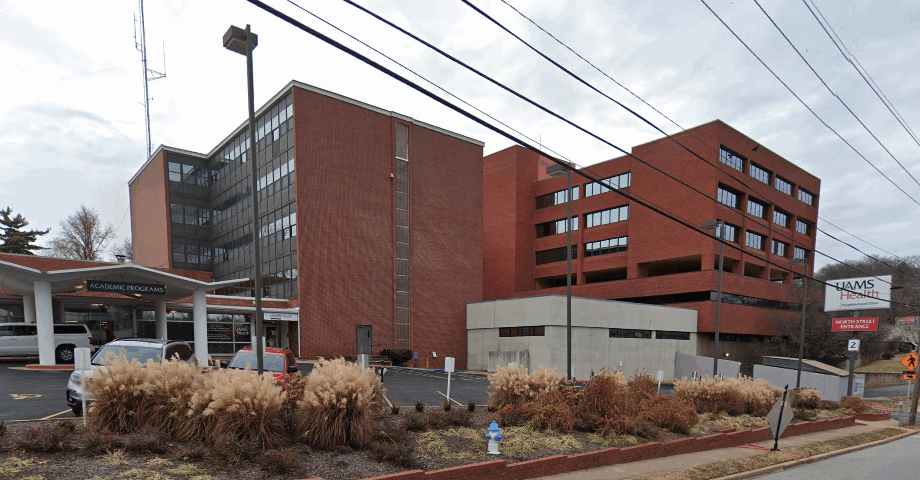
UAMS announced Monday a collaboration with the Alice L. Walton Foundation, Heartland Whole Health Institute, Mercy and Washington Regional Medical Center to expand its existing Certified Registered Nurse Anesthetist (CRNA) program to the UAMS Northwest Regional Campus in Fayetteville, starting this fall.
The expansion will be the first CRNA program in northwest Arkansas. The investment in the expansion is comprised of $2 million from the Alice L. Walton Foundation and $500,000 each from Mercy and Washington Regional.
CRNAs provide cost-effective anesthesia care, often serving as providers in rural hospitals, critical access facilities and surgical centers. A press release from UAMS stated that the demand for CRNAs in northwest Arkansas is projected to grow significantly over the next decade due to population growth, aging demographics and increasing health care needs.
The expansion will aim to enable enhancements including:
- Targeted recruitment efforts to attract students from northwest Arkansas
- Incorporation of digital health and distance-learning technologies to reach students in remote areas
- Expanded clinical training partnerships with hospitals and surgical centers across northwest Arkansas, improving hands-on learning opportunities in community-based health care settings
The nurse anesthetist program is a specialty in the UAMS College of Nursing’s Doctor of Nursing Practice (DNP) program. Since the inception of the nurse anesthetist program in 2020, UAMS has graduated several cohorts of clinicians who have already begun serving in rural hospitals and clinics across Arkansas.
UAMS in Little Rock currently accepts only 16 CRNA students per year for the 36-month program, despite receiving more than 250 qualified applicants per admission cycle, many from northwest Arkansas. The press release said that this creates bottlenecks that severely limit the number of local anesthesia professionals entering the workforce. The expanded CRNA program in Fayetteville will increase enrollment by 18 students over five years, aiming to meet the growing demand for skilled nurse anesthetists.
In the expanded program, students from northwest Arkansas will spend their last five semesters at clinical facilities in the region. While there will be remote learning options for some classroom instruction, students will attend anesthesia simulations and some labs and classes in Little Rock.
“This expansion will have a significant impact for students from northwest Arkansas who were interested in CRNA careers but previously didn’t have a lot of clinical training options that were close to home,” Patricia Cowan, dean of the UAMS College of Nursing, said in the press release. “Thanks to the generosity of our regional partners, we will deepen the academic and clinical training that produces top-tier nurse anesthetists ready to address our state’s evolving health care needs.”
Heartland Whole Health Institute, founded by Alice Walton, identified the need for the program’s expansion to northwest Arkansas following a 2024 report from the Arkansas Center for Nursing. According to the report, Arkansas communities face growing surgical and anesthesia needs, and a critical shortage of CRNAs threatens timely, safe care, especially in rural hospitals. After peaking at 500 CRNAs in 2015, Arkansas has seen a steady decline to 290 CRNAs as of 2023. Addressing this trend will require targeted interventions, such as increasing educational and training opportunities for nurse anesthetists, offering competitive wages and implementing incentives to retain talent within the state.
Further, according to a recent Tripp Umbach report commissioned by the Northwest Arkansas Council and Heartland Whole Health Institute, northwest Arkansas has experienced an 80% increase in health care sector growth between 2018 and 2023, yet more than 2,700 health care-related positions remain unfilled. Nurse anesthetists are in particularly short supply.
“With rapid population growth and a thriving outdoor economy, northwest Arkansas is seeing increased demand for health care access, including a greater need for specialty services like trauma care, which requires 24/7 availability of anesthesia providers at a time when the state faces a critical shortage of anesthesiologists and CRNAs,” Sarah Bemis, Heartland Whole Health Institute’s vice president of workforce and policy and a member of the Northwest Arkansas Council Health Care Transformation Division, said in the release.
 Sign up for Daily E-news