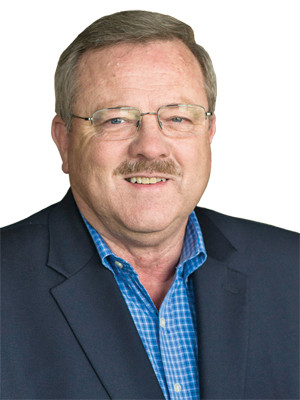
Don Crabbe leads First Electric Cooperative Corp., which was created in 1937 and now serves more than 91,000 members.
Before joining First Electric, Crabbe was CEO of Central Rural Electric Cooperative in Stillwater, Oklahoma, for more than a decade and director of cooperative services for the Oklahoma Association of Electric Cooperatives. He started in rural electrification in 1976.
Crabbe graduated from Cameron University in Lawton, Oklahoma, with a bachelor’s degree and went on to receive management and board certification from the National Rural Electric Cooperative Association.
What is the most significant challenge you’re facing at First Electric?
Our job is to deliver safe, reliable, affordable and environmentally responsible electricity to our member-owners. We are concerned that proposed federal mandates will cause the cost of generating electricity to increase while the assumed benefits of the mandates don’t justify the increased cost. Many of our member-owners currently struggle to pay their electric bills, and if these federal mandates are implemented, electric costs could increase by 15 to 20 percent. We will continue to promote a fair balance between the economics and benefits of proposed mandates.
How are you planning to modernize the electric grid?
I think there’s a misconception that electric cooperatives serving rural areas are at a disadvantage when it comes to modernization.
I’m proud to say that First Electric deployed Automated Meter Reading in 2004, which many utilities are just now beginning to integrate into their systems. Because of that, First Electric no longer has to send employees or contractors to read our meters each month. This saves money as well as employees’ time.
The automated technology also eliminates the possibility of human error and the need for estimated readings. The meters also help members understand their daily energy use, identify power quality issues and manage the cooperative’s overall energy consumption. In addition, First Electric personnel can check meters along a line to see if they have power. This helps locate an outage and speeds restoration as well as reduces unnecessary trips for servicemen and linemen.
By integrating the grid with digital technology, members are empowered to manage electricity more efficiently.
Does First Electric have programs to encourage conservation?
Not often do you hear companies encourage customers to use less of what they sell, but as a member-owned cooperative that’s exactly what we do. We offer a variety of programs, from free walk-through energy audits that help members identify areas of inefficiency to diagnostic energy audits that thoroughly test the efficiency of a home and provide members with a detailed report.
First Electric also has the technology in place for our members to track their daily use, which is a powerful conservation tool. For commercial members we provide similar services as well. If we can provide electricity through our current generation facilities, that will keep the costs reasonable for our membership.
How has the business of electric co-ops changed over time?
Technology is a driving force behind our business. Although very little has changed with the distribution of electricity versus where we started 78 years ago, I believe the future will hold significant change. Several years ago there was talk about fuel cells in backyards for your own generation plant. That could very well be the direction we go. However, it’s important for us as cooperatives to remember that regardless of how it’s distributed, we want to be the supplier of choice. One thing has and will remain the same: We are owned by those we serve.
 Sign up for Daily E-news