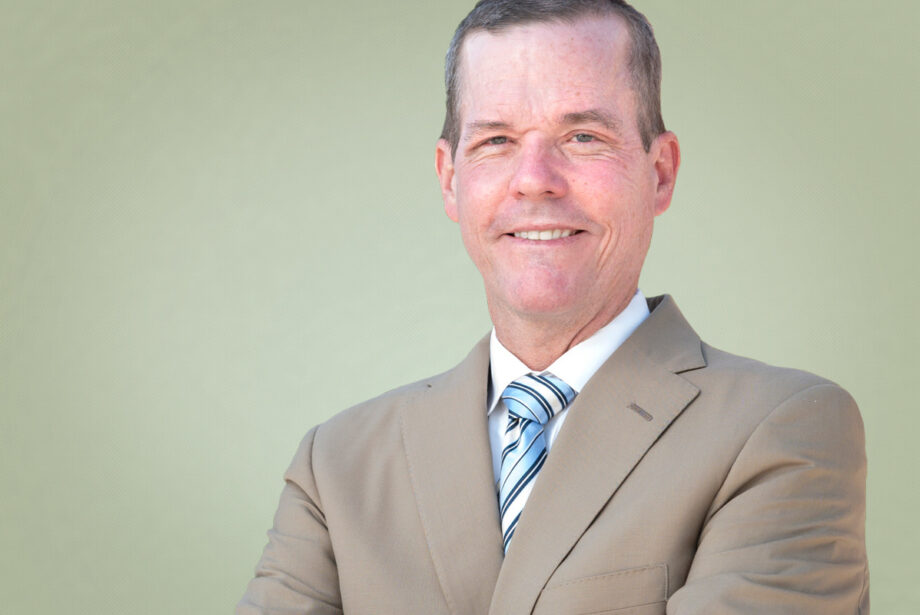
Dr. Cam Patterson became chancellor of the University of Arkansas for Medical Sciences, the state’s only health sciences university, on June 1, 2018.
Patterson was previously senior vice president and chief operating officer of New York-Presbyterian/Weill Cornell Medical Center and Komansky Children’s Hospital in New York. He held many appointments at the University of North Carolina, as physician-in-chief at the UNC Center for Heart & Vascular Care and executive director of the McAllister Heart Institute. His work has appeared in 323 peer-reviewed scientific publications.
Patterson earned his bachelor’s degree from Vanderbilt University, graduated from Emory University School of Medicine in Atlanta and got his MBA from the University of North Carolina Kenan-Flagler Business School. He did his residency at Emory University-affiliated hospitals.
What is UAMS doing to maintain or raise the morale of its health care workers?
We have several programs focused on the wellness of our employees. The UAMS Auxiliary has funded a rejuvenation room providing a calm space where our frontline health care workers can go and decompress, sit in a massage chair, read a book and enjoy the quiet 24 hours a day. The auxiliary is also sponsoring Wellness Wednesdays in the rejuvenation room when they bring in therapy dogs, supply journals for our staff to write in and make it a really special day.
We are also offering retreats for our nurses once a month through our wellness program where we focus on their mental and physical well-being and offer things like yoga. Our volunteer services is coordinating meals and treats for our staff. Many of those meals, along with cards and notes of appreciation, have come from our UAMS family, but many have come from generous members of the public. Singer-songwriter Lizzo recently sent food to our nursing team.
The support from the community means so much to our health care team. Since the beginning of the pandemic, we have also sent a daily, and now weekly, COVID update email that includes an “employee shout-out” section where we thank individual employees for their hard work and sacrifice.
When a patient has COVID misinformation, how does UAMS help its staff counter that misinformation in a way persuasive to patients?
Our infectious disease experts, Infection Control Department and Student & Employee Health Services have worked hard to provide up-to-date information to staff about the coronavirus, testing and vaccines. We have produced videos and posters, web pages, fliers and other information for our clinics and patient care areas to equip our staff with what they need to answer questions. We hold monthly town hall meetings over Zoom for all employees so leadership can share information on the coronavirus and other topics and answer employee questions. We also have several doctors and nurses who volunteer to talk with patients who may need longer one-on-one discussions.
What are the biggest sources of misinformation about COVID-19?
I’m a big proponent of social media. However, you can’t believe everything you read there. Social media and some media outlets are big sources of misinformation about COVID-19. Rumors are shared as fact and people are often more likely to believe what they read on Facebook than they are to listen to science. Some social media pundits claim that the coronavirus isn’t real. The patients in our hospital with complications from COVID-19 and the thousands of others we have treated are proof that it’s real.
What has been the most important lesson from the pandemic?
We have learned that we are able to pivot on a moment’s notice to deliver excellent health care to patients virtually through digital health and also to educate our students. UAMS is fortunate to have one of the most advanced virtual health care networks through our Institute for Digital Health & Innovation. We rolled out UAMS HealthNow, which allows patients in Arkansas to access providers via video using their smartphones, tablets or computers. Care is offered in practically every specialty and it’s 24/7. We have conducted more than 100,000 virtual patient visits since the pandemic began.
Do you support a vaccine mandate for health care workers?
The majority of UAMS employees have received the COVID-19 vaccine. They believe as do I that the vaccine is safe and effective and the off-ramp to this pandemic. I’m proud of our team’s dedication to protecting each other, our patients and our students. We continue to answer questions from employees who are vaccine hesitant and try to educate them about the safety and effectiveness of the vaccine. One of the ways we have done this is to ask vaccinated employees to share their reasons for getting the shot. They mention their families, their communities, their patients, their students and their co-workers. It’s extremely inspiring to hear them.
What’s it like going through the UAMS campus and talking to providers and patients?
The health care providers at UAMS are still delivering the great care they have always delivered. COVID-19 has changed the way we do some things, but the care of patients and education of students goes on. In fact, it’s growing in many areas like orthopedics, our Winthrop P. Rockefeller Cancer Institute and digital health.
We find ourselves in unusual and stressful times. The pandemic has taken a toll on many of our health care providers who have been doing their best to battle this disease for more than 18 months. They are the most dedicated team I’ve ever known. They are true heroes, but they are human and many are exhausted and tired of COVID-19. Many of our nurses are working 12-hour shifts and extra shifts to help in the midst of the nursing shortage affecting hospitals across the U.S. I’m amazed at their dedication and resiliency.
Does UAMS need more government funds to battle COVID? If so, where would that money go?
We appreciate the support we received in the past like CARES Act and American Rescue Plan funding that allowed us to make up for lost revenue and avoid layoffs when we had to stop seeing patients in our clinics and performing elective surgeries. Along with health care workers feeling the stress of this pandemic, the financial implications are every bit as real.
Has the pandemic exposed any shortfalls with the current health care system?
I think the major shortfall the pandemic has exposed is the vulnerability of our health care system. It shows the unprecedented strain on a system that is handling a record number of COVID-19 hospitalizations while also treating those who need medical care from non-COVID illness, injury or natural disasters. There were places in the U.S. where the health system nearly collapsed. People do not stop getting sick or injured during a pandemic. It has almost become too much to handle.
What do you think the next six months will look like for UAMS?
I’m hopeful that as more Arkansans get vaccinated, we will see COVID-19 cases level off to a point where our health system isn’t so stressed. Regardless, we will continue to provide the best care possible to our patients and the best education for our students and search for new scientific discoveries.
 Sign up for Daily E-news