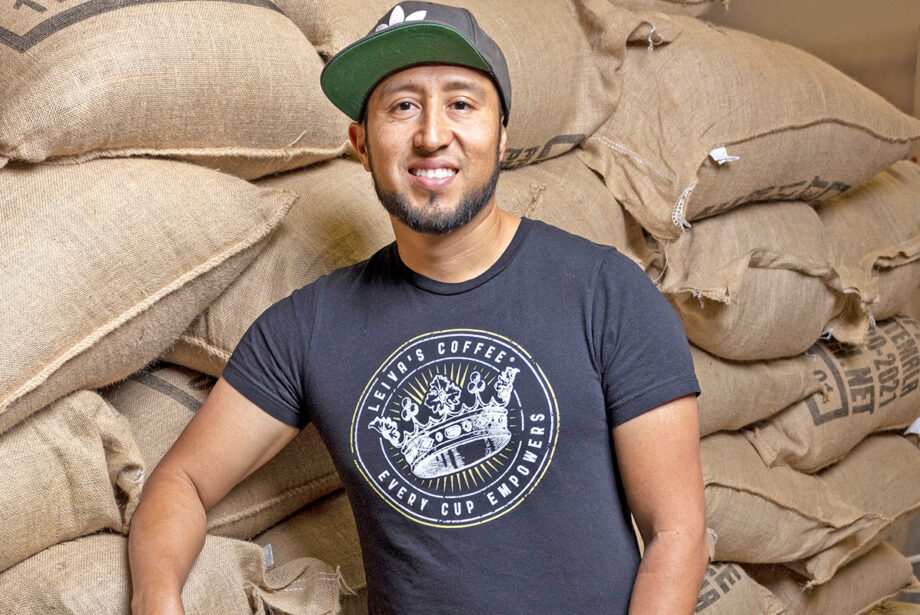
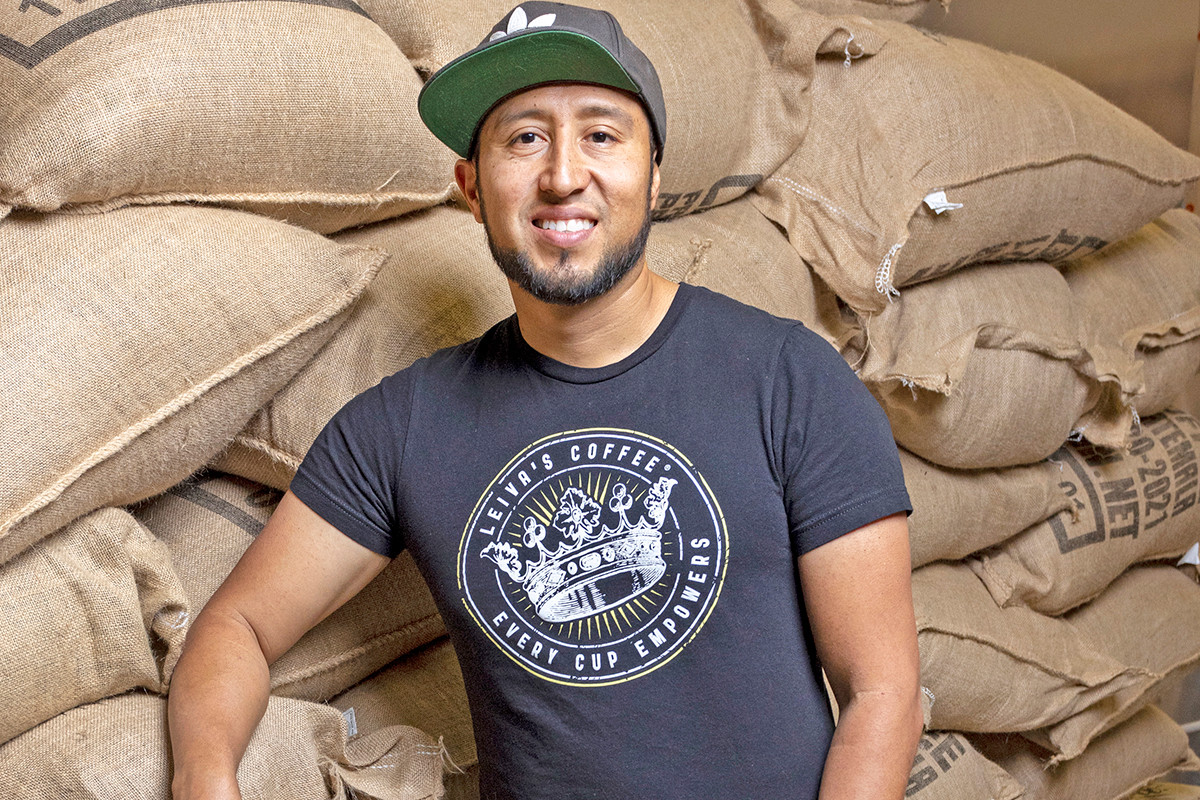
For Geovanni Leiva, building a coffee startup took a vision and two villages — a literal one in Guatemala where his parents grow the beans, and another of nuclear family and church allies in Arkansas who roast, sell and buy them.
Leiva’s Coffee, in Little Rock and North Little Rock, combines all-American entrepreneurship with a philanthropic mission in Leiva’s Central American homeland, where 10% of company proceeds are devoted to education, sanitation and sustainability projects.
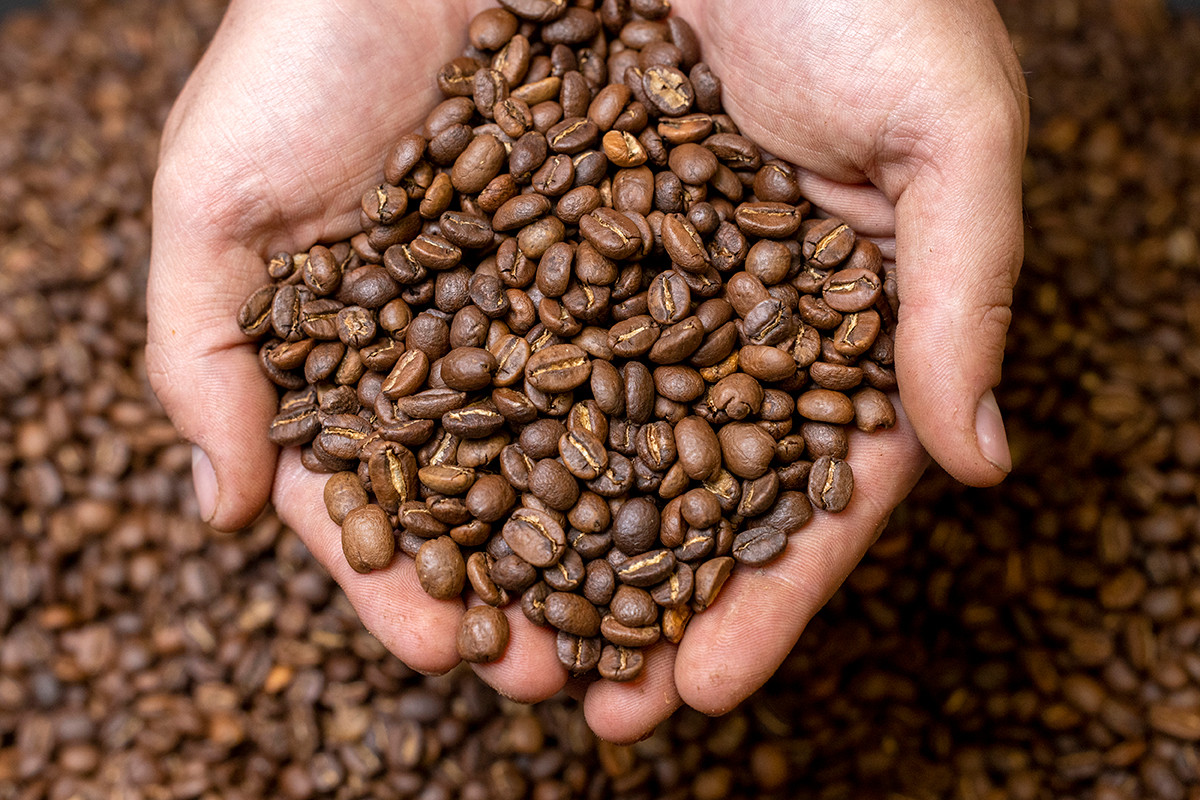
“My grandfather Ezequiel Leiva was a coffee farmer, and his dad was a coffee farmer, and his dad was a coffee farmer,” Leiva said last week, showing off stacks of 150-pound bags of raw beans awaiting roasting at Leiva’s Coffee LLC’s 1,200-SF warehouse and roastery in North Little Rock. “My parents in Guatemala run our coffee farm and ship the beans in locked containers directly from their backyard. ”
Leiva’s wife, Alana, 41, works in the business, which supplies coffee for the Capital Hotel, Boulevard Bread Co., the Little Rock and North Little Rock Athletic Clubs, the Pantry restaurant, Sauced Bar and Oven and numerous local churches.
Sons Ethan, 12, and Elijah, 15, work weekends at the company’s coffee stand west Little Rock.
More than 2,000 miles south, 3,700 feet up in the remote hills southeast of Guatemala City, Leiva’s parents, uncles and cousins work with 150-300 workers at peak season near the village of Joconal. The farm, where Leiva sources about three-quarters of his total raw coffee, is called La Esperanza, the hope.
Little Piece of Heaven
“It’s a little piece of heaven, tucked up in the hills,” said Leiva, 42.
He gets the other quarter of his supply from nearby farms. The Arkansas operation employs about 20, full and part time.
“In Guatemala, where the average pay is 50 quetzal a day, my dad pays 150 quetzal a day,” Leiva said. “He actually has to turn down people because so many workers want those jobs.”
The company recently expanded with a subscription coffee delivery service sold largely online, and surpassed $200,000 in annual sales before being devastated by COVID and then slowly rebounding over the last nine months.
“All the hotels and churches and athletic clubs shut down, all at the same time, which I never expected,” Leiva said. “We had to cut back drastically, and it was a shame because we were doing very well in 2020 before that.” Last year, the company shipped in 38,000 pounds of coffee beans, and business has soared. Sales this year are projected at $500,000.
“Our coffee never enters any other part of the coffee industry,” he said. “Most coffee is obtained through brokers, and brands will sell the exact same coffee under a different label. Nobody gets our coffee except our customers.”
He eventually hopes to increase subscription sales from about 5% of the company’s output to almost half. “It’s a great way to get excellent coffee delivered directly to your door without having to worry about it,” Leiva said. “We see great promise in the future.”
At the company’s leased warehouse site on Remount Road in North Little Rock, the aroma of coffee hits a visitor even before she reaches the door. Above a custom Ferrari-red Diedrich coffee roaster hang three prominent flags. The American and Guatemalan banners were obvious, but Leiva had to explain the green, white and red colors of Italy.
“My name is Geovanni and I love everything Italian, especially Ferrari,” Leiva said. “That’s why the roaster has that color.”
Leiva, who came to Little Rock as a teenager with no English, cried every night for months before slowly adjusting, meeting Alana at 19 and becoming Pulaski Technical College’s first international graduate. “Alana and I married right after college,” Leiva said, “and I worked as a computer programmer for 14 years.”
Then Leiva had his “what if?” moment, an insight that he could directly trade with his farm family in Guatemala and build a family coffee business in central Arkansas.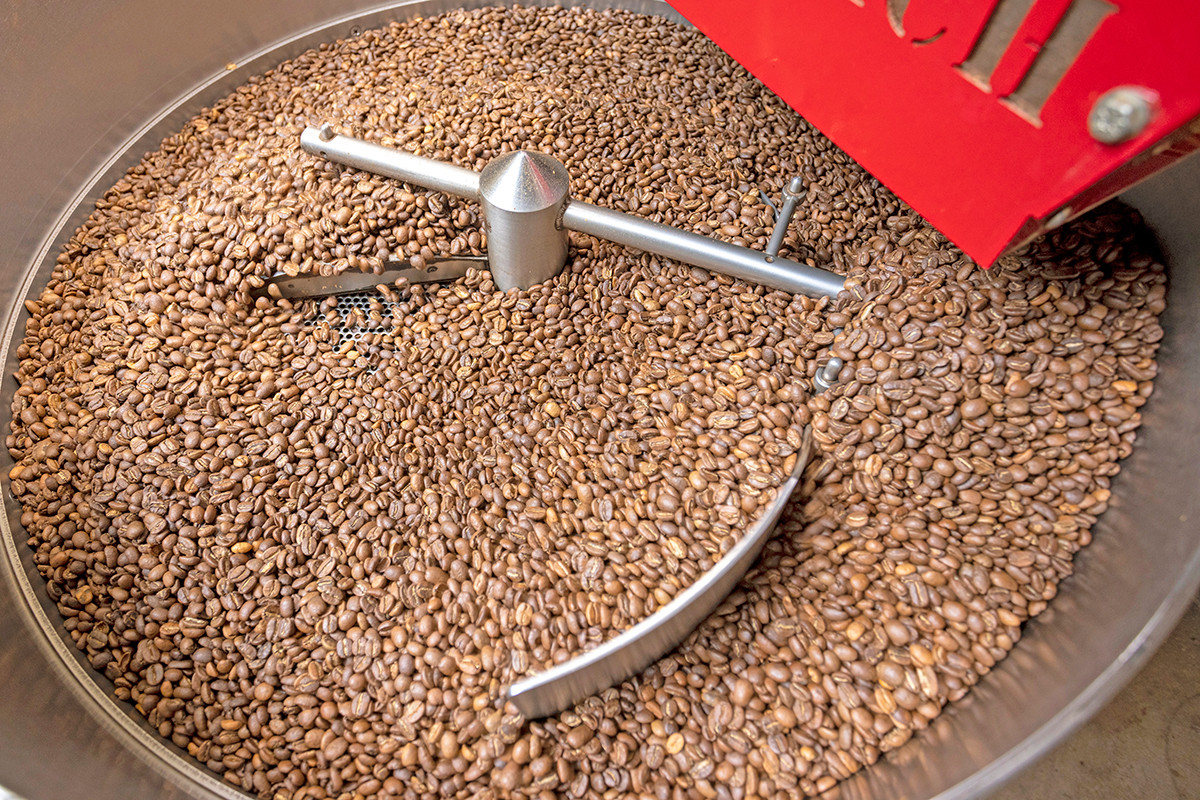
‘Baby Steps’
“Not many companies grow, roast, package and import and export their product,” Leiva said. “We had to do it in little baby steps.”
The first step was operating strictly on savings out of Alana’s laundry room, then the kitchen. At first, they shipped the coffee from Guatemala to their home in Sherwood via Federal Express, a process that was insanely costly, Leiva said. “It was stupid, costing $12 or $15 a bag.”
Leiva started having family members bring bags of coffee beans with them on visits to America before eventually hitting on the container shipment method. He now receives yearly shipments of at least 200 150-pound bags.
A lot of that coffee ends up being consumed at churches, including the towering First Pentecostal Church along Interstate 40 in North Little Rock, where Leiva’s has been on brew for years.
“We were pioneers in bringing the Quakers into Guatemala,” Leiva said. “I grew up in the faith and I’m a believer in Jesus Christ. Our Christian friends and churches are great customers, and we can go directly to pastors in Guatemala who help other farm families with our values. One we just got in touch with should help us get a lot of the rest of the coffee we need that the family can’t supply.”
Leiva credits former President George W. Bush for opening up American trade to Central America. “The borders before were completely shut to trade. But Baby Bush really cared, and I brought over 50 1-pound bags of coffee to share with my Arkansas friends. Everybody loved it, so in 2008 I formed the LLC and started doing it out of my garage.”
After first subcontracting for the roasting, Leiva perfected the import routine and bought the Diedrich roaster, which can easily cost $20,000 for a used model. “We had a 150% sales increase almost yearly, then last year we brought in 38,000 pounds of raw beans, all the coffee from my entire village and our farm. And now, with our subscription sales, we’re a worldwide company.”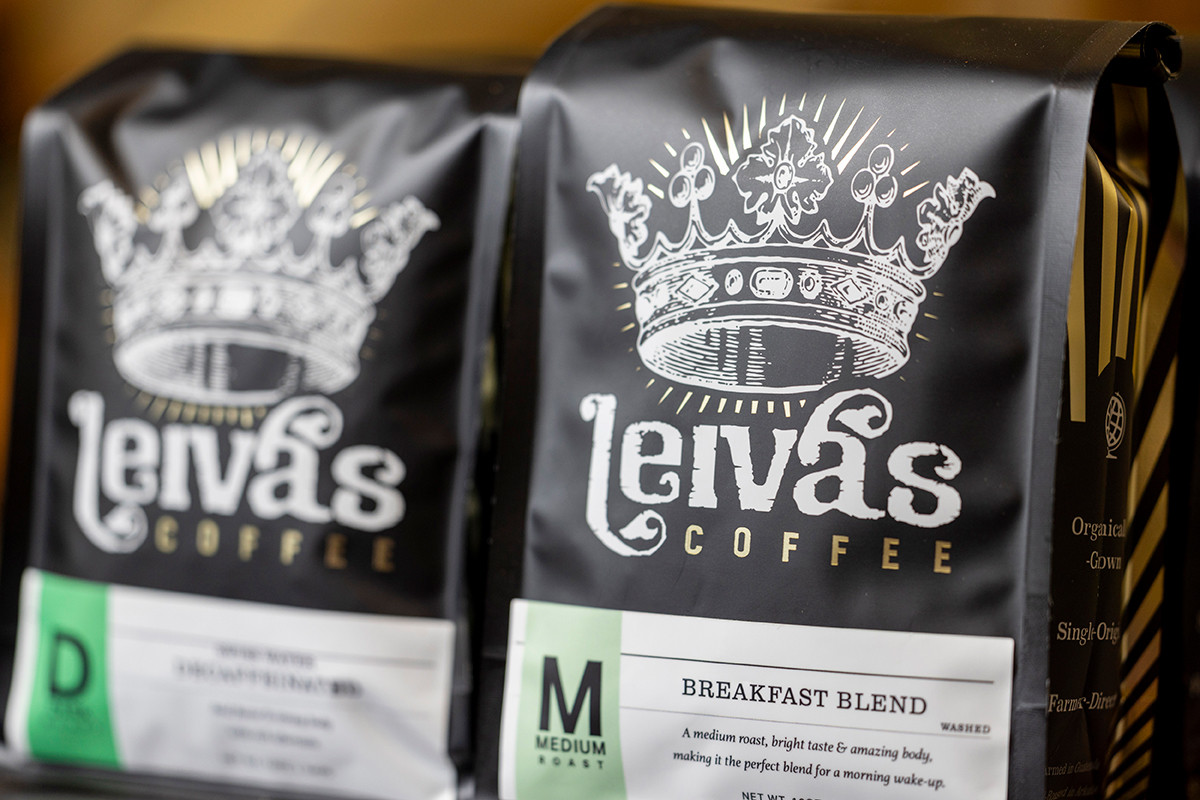
Testing Grounds
The coffee cart in Little Rock, at 6323 Ranch Drive, has become something of a testing ground for the company’s retail future. “That’s our first store, our prototype, so we’re figuring out the model that we want to go after,” said Leiva, whose Geo’s Favorite tops the menu: 4 ounces of whole milk, 4 ounces of half-and half, and two shots of bold espresso.
“We’re going to do a drive-through model, and we want a real Guatemalan flavor,” he added, explaining that while Americans tend to lump together all south-of-the-border cuisines, Guatemalan is far different from Mexican, which is different from Salvadoran, and so on.
“They’re all unique. The foods are unique, and full of flavor, and so are the coffees. So it’s my goal just to highlight Guatemala, and bring its flavor to Little Rock, and then to make Little Rock the coffee mecca of the South.”
Entrepreneurship, he said, “is literally seeing a need and trying to find a way to meet that need. I know you hear this often, but it’s true. You have to do it not for the money. The money will come, or it won’t, but I feel that I don’t work a day of my life.”
After first relying on savings, Leiva found he eventually needed business loans. A solid credit score and business plan simplified things, he said. “When we ran out of cash, we did some financing with U.S. Bank and Bank of Little Rock.”
It was relatively easy, even as a minority business owner, Leiva said. “That’s what I’ve told several people, that yes, a lot of this stuff looks really hard. But if you look hard enough, you’ll find somebody that is kind enough to help show you the ropes.”
 Sign up for Daily E-news