


Arkansas Children’s Research Institute and Children’s Hospital of Philadelphia have been awarded $9.7 million in federal grants to study how an invasive fungal disease is treated.
The seven-year study aims to determine whether a shorter course of therapy effectively treats uncomplicated candidemia, the most common invasive fungal disease in children. Funds are provided through the National Institutes of Health.
Arkansas Children’s said the research marks the first randomized, controlled trial to define the optimal duration of therapy for any invasive fungal disease in any age group.
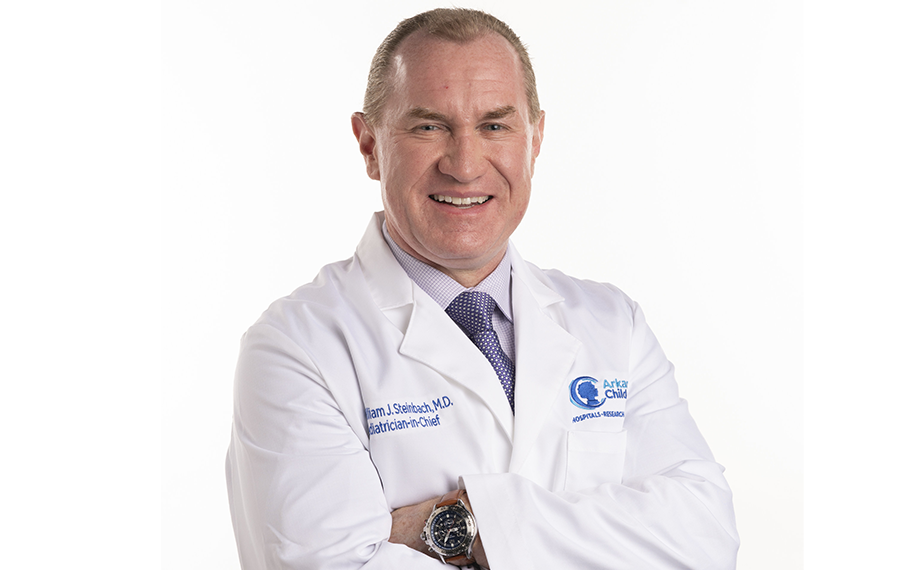
“This study will build a foundation for improved guidelines that allow us to treat children more rapidly, reduce the medicine they need and get them back to thriving quickly,” Dr. William Steinbach, the study’s co-principal investigator and pediatrician in chief at Arkansas Children’s, said in a news release. “The results also will inform future trials in adults and allow us to change guidelines for care of all patients with these diseases.”
Unlike in adults, the vast majority of children with uncomplicated candidemia improve relatively quickly on appropriate antifungal therapy. But in certain cases, candidemia can result in a more complicated infection that impacts other organs and the musculoskeletal system.
Currently, the minimal duration of therapy for candidemia is 14 days, regardless of whether it is complicated or uncomplicated, according to the release. This standard approach can result in unnecessarily long durations of antifungal therapy.
Co-leading the study is Dr. Brian Fisher, director of the Pediatric Infectious Diseases Fellowship Training Program at Children’s Hospital of Philadelphia.
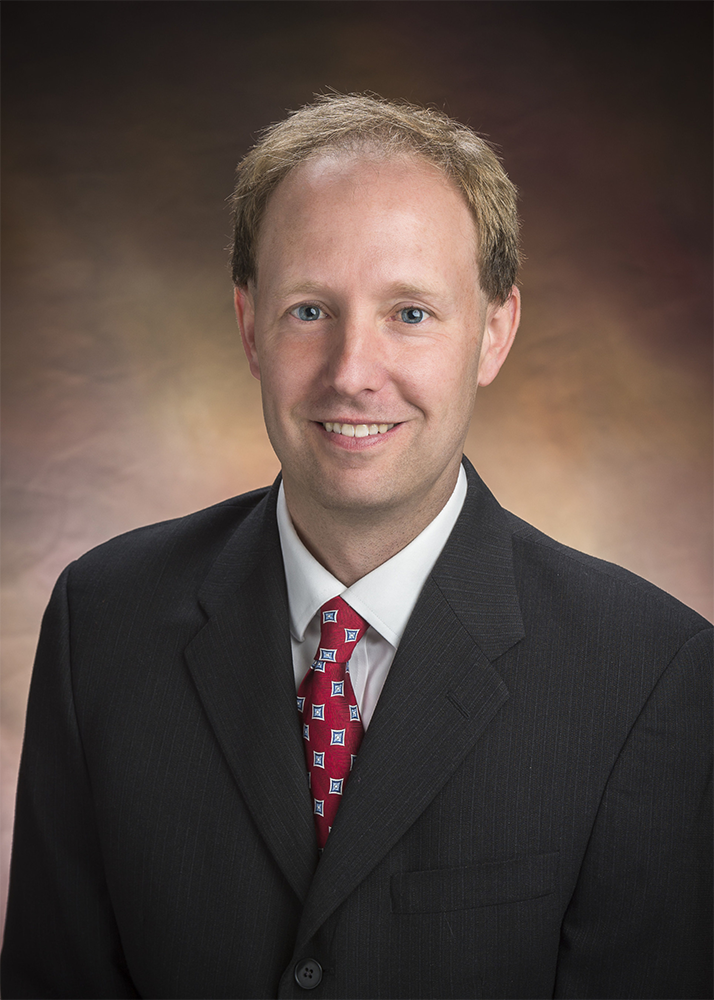
“In addition to being one of the first clinical trials to compare different durations of therapy for invasive fungal disease, this study will also utilize a novel outcome measure referred to as Desirability of Outcome Ranking or ‘DOOR,'” Fisher said. “This outcome approach, developed by Dr. Scott Evans at the George Washington University, captures both the benefits and consequences of an intervention which makes it an ideal measure for a trial assessing different durations of antifungal therapy.”
The study will utilize the International Pediatric Fungal Network, a 55-site international research consortium focused on defining the best ways to diagnose and treat deadly invasive fungal infections in children.
Steinbach and Fisher co-lead the network, whose study coordinating center is now housed at Arkansas Children’s Research Institute. Its data coordinating center is located at Children’s Hospital of Philadelphia.
 Sign up for Daily E-news










