Michael Griffin
Director of the Fort Smith Regional Airport
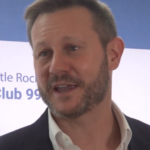
Before becoming chief of the Fort Smith Regional Airport, Michael Griffin was the airport’s director of operations. As airport director, he is responsible for administrative, technical and planning duties for the daily operation and long-range development of the airport.
Griffin has a Bachelor of Science in organizational management from John Brown University in Siloam Springs, is a certified member of the American Association of Airport Executives and is serving a second term as president of the Arkansas Airport Operators Association. He was chosen to lead the Fort Smith Regional Airport in April, following the retirement of longtime Director John Parker on March 31.
What are the challenges faced by smaller airports?
Small airports work with smaller operating budgets, yet have many of the same responsibilities of maintaining an airport as large airports. For example, a change in airline operations or tenant capacity has a more immediate impact on airports our size.
Has the growth of the Northwest Arkansas Regional Airport affected operations much in Fort Smith?
There is no denying that people from our area drive to other airports occasionally, and at times it is difficult to compete with other locations that may have a direct flight to a passenger’s destination. However, we are the closest airport to a majority of the Arkansas River Valley region and parts of eastern Oklahoma.
Although growth is not occurring as fast as in northwest Arkansas, I still expect our region to continue to grow, which I believe is apparent with the steady increase of passengers using the Fort Smith Regional Airport. The airlines also continue to keep Fort Smith pricing favorable or comparable to other airports in our region.
What are your priorities at the airport? In other words, what changes have you made or do you plan to make?
I want people to fly local. I encourage people to take advantage of the airline service, great facilities, shorter security lines and close parking. At the very least, I encourage them to include Fort Smith in their travel research. Between American flying to Dallas/Fort Worth and Delta flying to Atlanta, you can go almost anywhere in the world.
My other main priority is developing available airport-owned property that is not connected to the airfield, or “non-aeronautical property.” The airport owns large parcels of property that are currently available for commercial leasing development. We can offer very competitive ground lease rates, and our property is already home to Home Depot, two Hilton Hotels and other businesses.
What’s the role of an airport in regional economic development?
Often, the airport is the first impression of our area that people get. Additionally, when economic development projects are discussed, one of the first questions many businesses ask is “Do you have an airport?” During most of the year, over 80 percent of passenger traffic at our airport is business-related travel. Reliable air transportation is vital to businesses locally and regionally.
How did you get into this field?
I have always loved aircraft and aviation and had obtained my private pilot’s license before entering the field of airport management. I was working in another career field when an entry-level airport administration position came open. Since that time, I have been fortunate to have obtained a promotion to director of operations and last year became the airport director. In airport management, it is almost unheard of to make two career moves without having to relocate. I am very blessed to have made these moves at my home airport, and a majority of this was because I had a great mentor, retired Airport Director John Parker.
 Sign up for Daily E-news