This is a stressful time. Not only is there uncertainty due to world events and COVID-19, hiring challenges continue and many businesses are operating with fewer employees as they recruit to fill open roles.
On a recent visit to a restaurant, I noticed a sign asking customers to be kind to employees as they are doing the best they can. This owner recognizes that long waits frustrate customers, who often take their frustration out on the host and wait staff, who are already working hard to fill in for other workers.
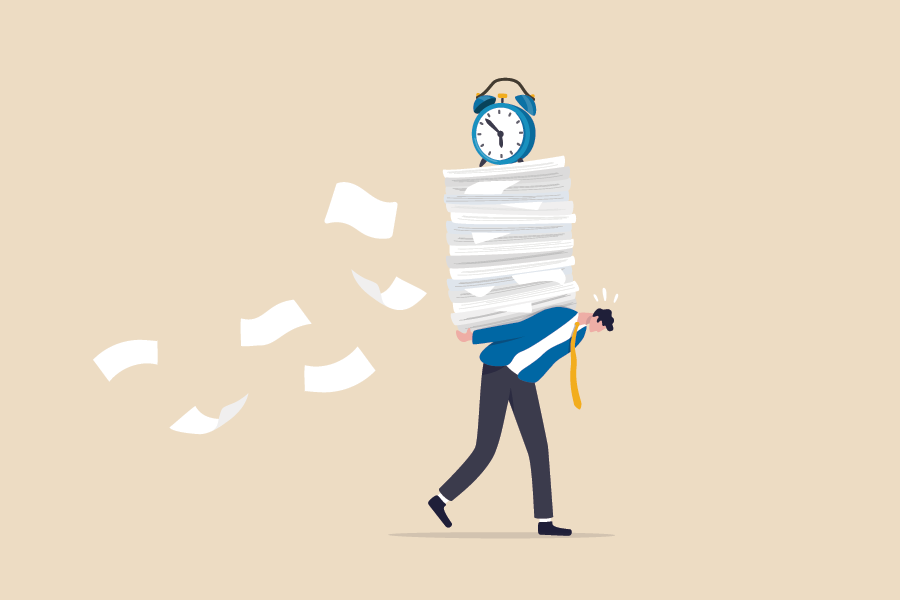
We define “A players” as employees who are resourceful, productive and seek to work smarter. They go the extra mile, and they are quick to say “yes” when you ask them to cover for another team member. While this is a valued quality in an employee, there’s a downside. It’s easy for burnout to set in.
One day your employee no longer looks forward to going to work. Their attitude is poor, and their usual optimistic outlook is no longer there.
Burnout has set in.
In a May 2019 report, the World Health Organization defined burnout as “a syndrome conceptualized as resulting from chronic workplace stress that has not been successfully managed.” It is characterized by three dimensions:
► Feelings of energy depletion or exhaustion, emotional exhaustion or the fatigue that comes from caring too much for too long;
► Increased mental distance from one’s job and depletion of empathy, caring or compassion, along with feelings of negativism or cynicism related to one’s job; and
► Decreased sense of accomplishment, feelings of futility, that nothing you do makes a difference.
Here are tips to prevent burnout in your A players:
► Educate your employees about signs of burnout and give them permission to talk about it.
► Watch for team members who consistently put in more hours than others. Help them shift responsibilities so they can maintain good boundaries with their work time. Often, you’ll discover responsibilities that can go to others.
► Encourage all employees to set boundaries around electronic communication so that when employees are off, they are fully unplugged from work. Make sure you model this.
► Talk to your team members about energy gainers and drainers. Energy gainers are those activities that give us energy and help us recharge. These are different for everyone. Bicycling, walking, swimming, engaging in hobbies and reading are just a few examples of energy gainers. Help employees identify their energy gainers, and intentionally schedule time daily for those activities. Energy drainers are those things that drain our energy. Negativity, conflict in relationships and overly critical supervisors are examples. Help workers identify energy drainers and develop plans to eliminate as many as possible.
Often, A players pick up slack for other team members and end up with duties that don’t align with their strengths. It’s fine to do this for a short time, but working outside our strengths for an extended time is a significant energy drainer. Ask employees to tell you what aspects of their job energize them and what aspects of their job drain them. Seek to shift energy drainers to other team members. Awareness of team strengths makes this easier. We use the PeopleMap assessment and CliftonStrengths to engage our team in these discussions.
A players will be the last to complain so it’s important to take the initiative to have these conversations. Your A players are your greatest asset. Invest your time in them. It’s well worth it.

 Sign up for Daily E-news