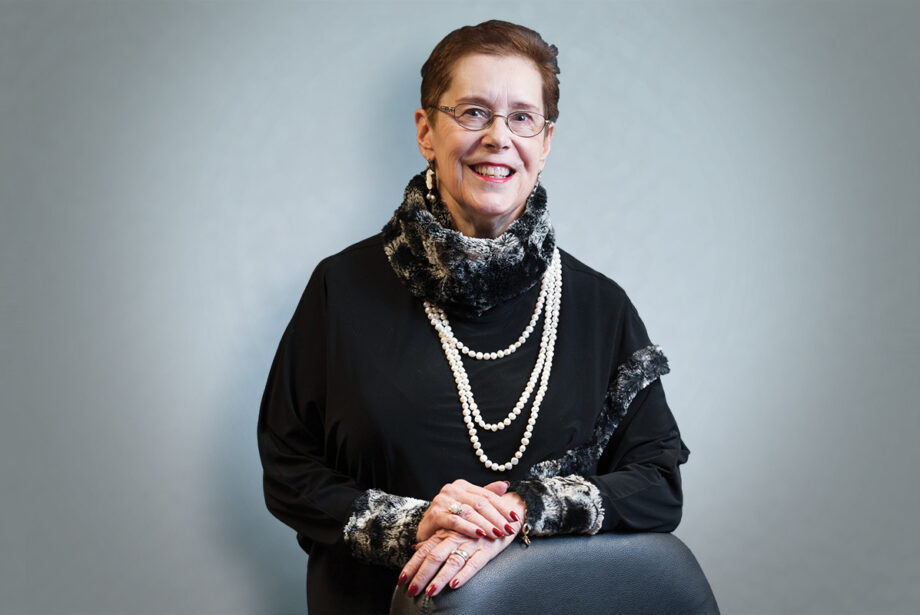
Director, Cross Gunter Witherspoon & Galchus of Little Rock
Carolyn Witherspoon, director of Cross Gunter Witherspoon & Galchus of Little Rock, represents public and private employers in defending employment-related matters, including Title VII litigation, and does extensive training for employers. She is a frequent contributor to legal publications on topics involving employment and personnel issues. She also serves on the Arkansas Symphony Orchestra board of directors and provides volunteer legal services for the Volunteer Organization of the Center for Arkansas Legal Services, or Vocals.
Witherspoon received her undergraduate degree from the University of Arkansas at Little Rock and her Juris Doctor, with honors, from the UA-Little Rock School of Law in 1978.
Cross, Gunter, Witherspoon & Galchus focuses on labor and employment law, specifically employment defense. How has that area of the law changed since you started practicing?
This area has grown by leaps and bounds. All of the original federal laws were brought generally in federal court and tried before a judge. Title VII and the Age Discrimination in Employment Act were passed in the 1960s. The Americans with Disabilities Act was passed in 1990. There are amendments to the laws that specifically prohibited pregnancy discrimination and that provided for jury trials. The jury trial provision was a huge change for all of us. In 1993, the Family Medical Leave Act was passed, affording additional protections for employees.
It also seems that the cases have become more complex over the years. They now involve several different causes of action all in the same lawsuit. For instance, allegations of violations of the FMLA and ADA are often combined. Further adding to the possible causes of action is the Arkansas Civil Rights Act that was adopted in 1993 and later amended. It also provides for jury trials. That act covers all employers with nine or more employees and does not require first a filing with the Equal Employment Opportunity Commission. Many Arkansas cases under that act are brought in state court rather than federal court.
Are there specific cultural or policy differences at CGWG that might be attributed to being majority owned by women?
I don’t think so. We have had our share of growing pains. However, our culture is very inclusive. We have a focus on community and professional involvement. And we are very family friendly. But really that has been the case since we first began.
You became the first female president of the Arkansas Bar Association in 1995. What has changed for women in the law in the 23 years since?
It is now commonplace for women to not only seek but also reach leadership positions in bar associations. Further, women are no longer looked upon as an oddity in the profession. More women recognize that they don’t have to dress just like men in a courtroom. There are more women judges. It is nice to now see and participate in conversations with both men and women about the importance of balancing family life and your professional life.
What was your biggest professional mistake and what did you learn from it?
I had a witness change his story after he had provided an affidavit. He burned us in the trial. I learned how important it was to not have a case hinge on one person.
 Sign up for Daily E-news