


THIS IS AN OPINION
We'd also like to hear yours.
Tweet us @ArkBusiness or email us
Last year I was invited to become a member of one of the Federal Reserve Bank of St. Louis’ four industry councils. The councils are made up of business leaders in four key industry sectors: real estate, agribusiness, health care and transportation. I have the privilege of representing the commercial real estate industry in Arkansas.
The council members report on economic conditions across the 8th Federal Reserve District, which includes all of Arkansas and parts of Missouri, Illinois, Indiana, Kentucky, Tennessee and Mississippi.
Dialogue with industry council members provides St. Louis Fed President Jim Bullard and the bank’s economists with insights about current business conditions and trends across the district. While our monetary policymakers get an overall snapshot of the economy from formal data reports that the government statistical agencies supply, these reports don’t tell them everything about current business expectations and what new trends American businesses may actually be experiencing. The industry councils serve as a kind of “boots on the ground” source of that information.
When the Fed’s Federal Open Market Committee meets, Federal Reserve Board governors and Reserve Bank presidents present their views on the economic outlook. Those views are informed by research, modeling and analysis, as well as by feedback from businesses across the country. The St. Louis Fed’s industry councils are a key part of this feedback. Industry council members provide a direct line of communication to the Fed, sharing their thoughts, concerns and projections.
These industry councils are a great example of the value of the decentralized, public-private structure of the Federal Reserve System — that is, 12 independent, private regional Reserve Banks, along with a board of governors in Washington. That federated structure helps ensure that voices beyond Washington — those on Main Street — are heard in the making of national policy.
Data doesn’t tell the whole story of the economy. Sharing of on-the-ground intelligence helps fill in the picture. Representing the view from Main Street is one of the most important contributions a regional Reserve Bank can make in conducting monetary policy. I’m honored to have the opportunity to help tell that story for Arkansas.
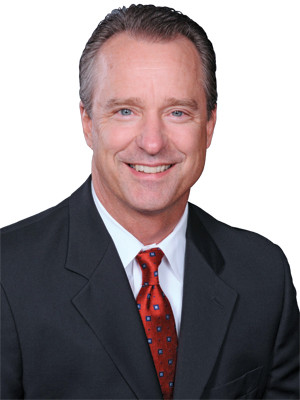
Mark Bentley is the managing director and principal broker for Colliers International Arkansas and a member of the Federal Reserve Bank of St. Louis’ 8th District industry council for real estate. He has been involved with commercial real estate sales, leasing brokerage and development management throughout his 30-year career.
 Sign up for Daily E-news










