THIS IS AN OPINION
We'd also like to hear yours.
Tweet us @ArkBusiness or email us
It’s been a big summer for the International Brotherhood of Teamsters, its members and the companies with which they do business.
The union, which represents about 1.2 million workers in the U.S., Canada and Puerto Rico, negotiated key labor agreements with companies including Yellow Corp. of Overland Park, Kansas, TFI International of Richmond, Virginia, and Arkansas’ own ArcBest Corp. of Fort Smith.
The five-year deal reached last month with ArcBest’s less-than-truckload subsidiary, ABF Freight, covers about 8,600 members in 137 local unions. It contained pay raises, greater company contributions to union health and pension funds and more sick days. The deal was also notable for the limits it placed on autonomous driving and other new technology that workers considered “invasive,” like driver-facing cameras.
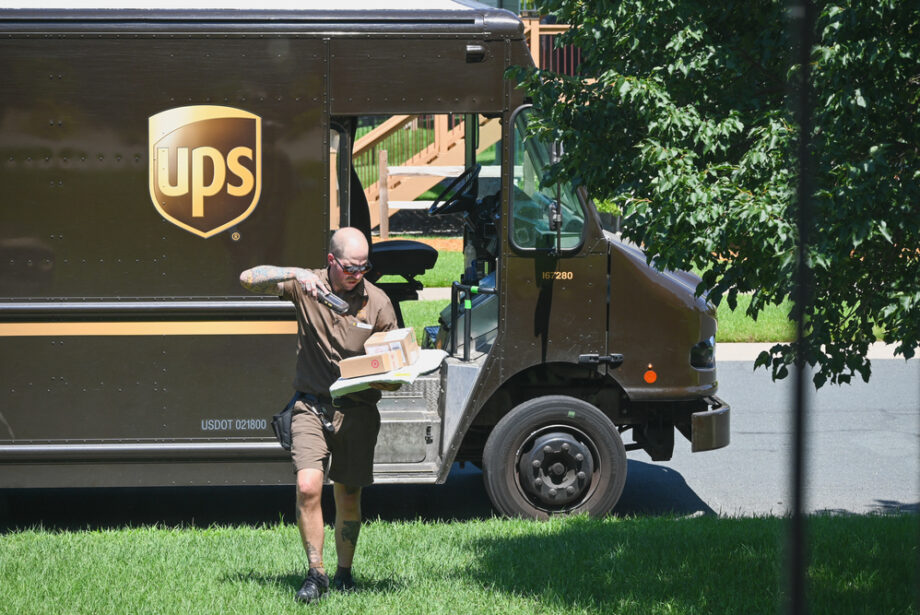
But the union’s biggest deal closed last week, with global shipping giant UPS of Atlanta. The agreement, covering 340,000 members nationwide, increases the starting pay for part-time workers and addresses safety concerns that include putting air conditioning in more trucks.
Unlike with ArcBest, the Teamsters’ bargaining with UPS had been contentious. Some of the bad blood came from the previous five-year deal members signed with UPS — a deal many said they were forced into by previous Teamster leaders, including former President James P. Hoffa.
The members, now led by a new president, were determined to get what they wanted. That included recognition that they, in the words of an Associated Press report, had shouldered the significant post-COVID growth at UPS, whose profits had grown 140% since the last union contract. UPS ships an average of 24 million packages per day, about a quarter of all U.S. parcel volume, according to shipping and logistics firm Pitney Bowes of Stamford, Connecticut.
The pandemic upended many things about our economy, including the way we get our stuff. Americans, continuously browsing Amazon and Walmart.com, expect more and faster package deliveries than ever before, and we rely on companies like UPS to get the job done. Few of us give any thought to the punishing economics — the labor and transportation costs — behind that great commercial ideal of the internet age: free shipping.
“If you got it, a truck brought it to you.” That’s what Hoffa’s father, former Teamsters leader and labor icon James Riddle “Jimmy” Hoffa, played by Al Pacino, says in a speech to union members in Martin Scorsese’s film “The Irishman.”
That was true before the internet and so-called free shipping, and it’s true today. It’s good that some of the workers behind the wheel are getting recognized, through these new agreements, for the critical role they play in our economy.

 Sign up for Daily E-news