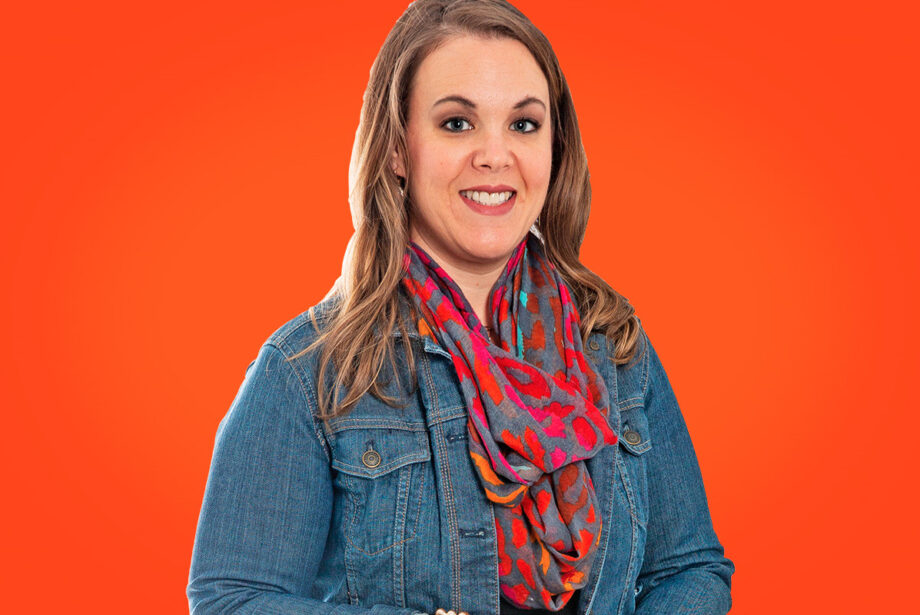
Director of Substance Abuse & Recovery Services, Ozark Guidance in Springdale
Libby Bier is the director of substance abuse and recovery services at Ozark Guidance, a community behavioral health agency serving eight counties of northwest Arkansas. She joined Ozark Guidance in 2014 as a school-based therapist and was promoted in 2017. She previously worked for Youth Bridge Inc. of Fayetteville and the Illinois Institute for Addiction Recovery in Peoria.
Bier, a licensed professional counselor, has a bachelor’s degree in psychology from Eastern Illinois University and a master’s in community/agency human development counseling from Bradley University at Peoria. She says pathological gamblers are nearly four times more likely to have attempted suicide than non-pathological gamblers
How common are gambling problems?
The National Council on Problem Gambling estimates that 2 million (1 percent) of U.S. adults meet criteria for pathological gambling in a given year and another 4-6 million (2-3 percent) would meet criteria for problem gambling. Arkansas prevalence rates are similar, with approximately 2.2 percent of Arkansas adults believed to have a gambling problem.
Does expanded access to legal gambling increase the likelihood of gambling problems?
I have found that problem gamblers and drug and alcohol addicts alike can always find means or access to their “drug.” It is the inability to abstain and the continued use or engaging in the behavior despite the adverse consequences that defines the problem. There is still much to learn about how different types of gambling activities affect the brain or worsen the problem. Because gambling excites the brain’s “pleasure center,” there is reason to believe that fast-paced games with quick payout would increase the risk of developing a problem.
Do you consider gambling to be an addiction comparable to drugs and alcohol?
There are many similarities between “process or behavior” addictions and those to chemicals. The diagnostic criteria also have many similarities, including the individual’s loss of control over his behavior or use and unsuccessful attempts to cut down or stop. We may see increased tolerance where the gambler must increase the stakes and wagers to get a greater emotional “high” from his gambling, much like the alcoholic or addict must drink or use more and more to get the same effect as before. Similar to the person who commits to stop drinking or using because of issues at home, work or with the law, the gambling addict makes those same attempts and is not always able to remain abstinent because of the strong urges or cravings.
One similarity that some may not think of is withdrawal symptoms. Gambling addicts report irritability, headaches, restlessness, difficulty sleeping or concentrating and that returning to gambling (like drinking and drugging) can temporarily reduce the severity of those symptoms. Many of the consequences can also be the same, including legal issues, financial strains, strained relationships, employment problems and even health issues.
A big difference is that there is no saturation point and no intoxication; unlike the addict, the gambler can continue to “use” without passing out.
What services are currently available for Arkansans with gambling problems?
Arkansas is one of only a few states that does not have funding for gambling treatment. Having no affiliate with the National Council on Problem Gambling limits any local training to maintain a certification as a problem gambling counselor.
Problem gambling is not covered under most health care plans, so a person seeking gambling treatment would most likely be self-pay — but due to the nature of their problem, individuals do not have the resources to pay for treatment. Without specific gambling treatment funding, the services will most likely remain scarce in Arkansas.
 Sign up for Daily E-news