THIS IS AN OPINION
We'd also like to hear yours.
Tweet us @ArkBusiness or email us
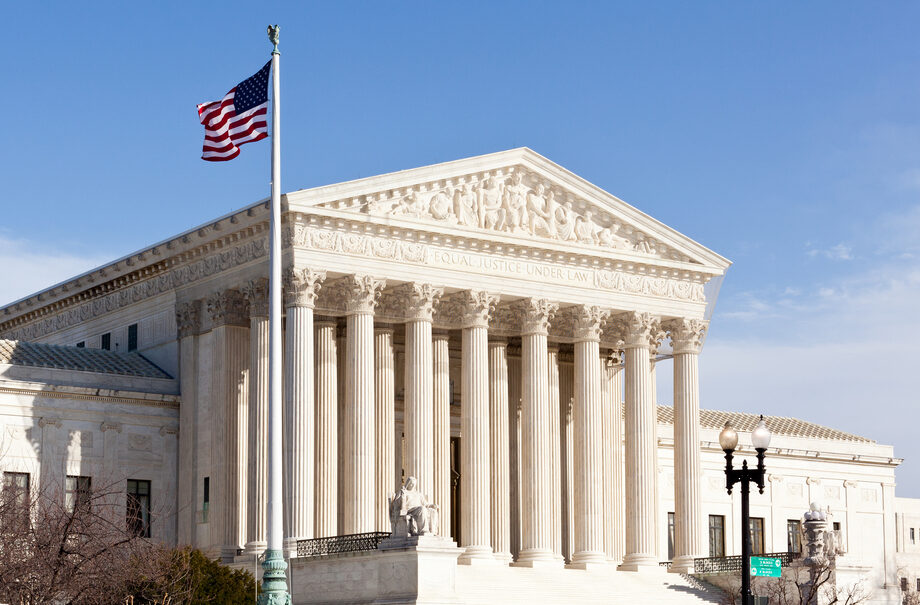
Although it took far too long, on Feb. 20 the U.S. Supreme Court finally ruled, 6-3, that President Donald Trump’s tariffs were illegal, but our long, national tariff nightmare is far from over.
The president, as he so often does, decided to double down. That same day Trump announced a 10% global tariff on all imports, citing a different statutory authority. Then, a day later, he decided to raise that to 15%.
Tariffs are a tax, and American businesses and American consumers were paying that tax. The U.S. Constitution, however, gives Congress, not the president, the power to tax.
Supreme Court Justice Neil Gorsuch recognized the importance of the legislative process in his concurring opinion: “Through that process, the Nation can tap the combined wisdom of the people’s elected representatives, not just that of one faction or man. There, deliberation tempers impulse, and compromise hammers disagreements into workable solutions. And because laws must earn such broad support to survive the legislative process, they tend to endure, allowing ordinary people to plan their lives in ways they cannot when the rules shift from day to day.”
But Trump’s commitment to tariffs means the rules will continue to “shift from day to day,” and businesses and consumers will again be forced to adapt.
 Sign up for Daily E-news