Robert Mintak
The element that Canada’s Standard Lithium Ltd. hopes to mine from south Arkansas’ underground brine deposits has many uses, from a steady power supply for your laptop to stabilizing your mood.
The earth’s lightest metal, lithium goes into airplanes and cellphones, even hair clippers, and was one of three elements produced in great amounts by the Big Bang, physicists say.
Lithium carbonate is also a common treatment for bipolar disorder and other illnesses associated with mood swings. Places where lithium occurs naturally in drinking water have been found to have lower suicide rates.
Australia, Chile, China and Argentina are the world’s largest lithium producers, and have been increasing production to meet demand for the substance in manufacturing rechargeable lightweight batteries for laptops, cellphones and other digital devices. The United States has one current lithium mine, in Nevada.
Largest Chemical Companies, ranked by number of employees in Arkansas. Available in PDF and spreadsheet formats.
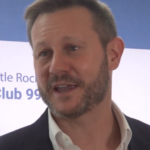
But extracting the element, which makes up just 0.0007 percent of the earth’s crust, has been an exhaustive task. That’s why Standard Lithium is pioneering a new process focusing on lithium only, as opposed to other salts found in brine, and raising its purity. “Right now the lithium grade in layman’s terms is about 200 to 400 milligrams per liter, or not a lot of lithium,” said company CEO Robert Mintak. “You need a half a million barrels of brine a day to run a commercial facility. So we’re working to bring the concentration up from 200 milligrams to about 6,000 with our method of extraction. You’re left with a concentrated lithium solution that needs to be crystallized into a material you can ship and sell to battery makers.”
Mintak said other industries do not require the same purity in the products they extract from brine, particularly bromine. “With lithium carbonate, you need 99.5 to 99.9 percent purity,” he said.
 Sign up for Daily E-news