THIS IS AN OPINION
We'd also like to hear yours.
Tweet us @ArkBusiness or email us
It has been almost exactly 40 years since I cast my first vote. Election Day in 1980 was Nov. 4, and I was a 19-year-old sophomore at Harding University in Searcy.
I drove home to North Little Rock that afternoon in the black 1974 Plymouth Valiant that my parents had let me take to campus that year. It got about 10 mpg, which wasn’t unusual even for a midsize car, but it was a problem for a cash-poor college student because gasoline had cracked $1 a gallon that year for the first time. A single trip home and back represented about 10% of my monthly allowance (and every long-distance call had to be carefully considered and timed for the lowest rates and the shortest duration).
Those were the days of “stagflation” and a recession was on the horizon, although I was certainly oblivious to that. The one economics class I took in college made little sense to me. (That fresh-faced co-ed would not have believed the career that was ahead of her, which is why I am not a fan of the “follow your bliss” advice dispensed to young adults. Millions of us have found professional satisfaction in jobs that never crossed our minds when we were in our teens or 20s.)
We had an early dinner in my parents’ kitchen before we went together to Indian Hills Elementary School so that I could cast my very first vote in the polling place where I had tagged along with my folks many times before. Here’s the part of the story that I love to tell (and have told in this space before):
As we ate, my father, Doyle Crownover, asked who I planned to vote for.
“For what?” I said, dragging out the inevitable.
“For president.”
“Ronald Reagan.”
My father, a product of Depression-era Arkansas, laid his fork down and patted my hand. “Baby, he’s a Republican,” he said gently, because his youngest child was clearly confused. And maybe I was. But the previous year had been spent wondering when and if 52 American hostages would ever be released by Iran, and that crisis was the singular political event of my young life. Even Watergate and Vietnam seemed like ancient history — I was barely 13 when Nixon resigned.
(Crazy thought: This year’s youngest voters were in ninth grade when President Trump was sworn in, and they may have no real memories of President George W. Bush.)
My dad died 15 years ago this month, and I miss him every single day. I often think of questions I wish I had asked him when I had the chance. He was a great observer of human nature, but I’m not sure even he could have explained to me what’s happened to our political culture since his death.
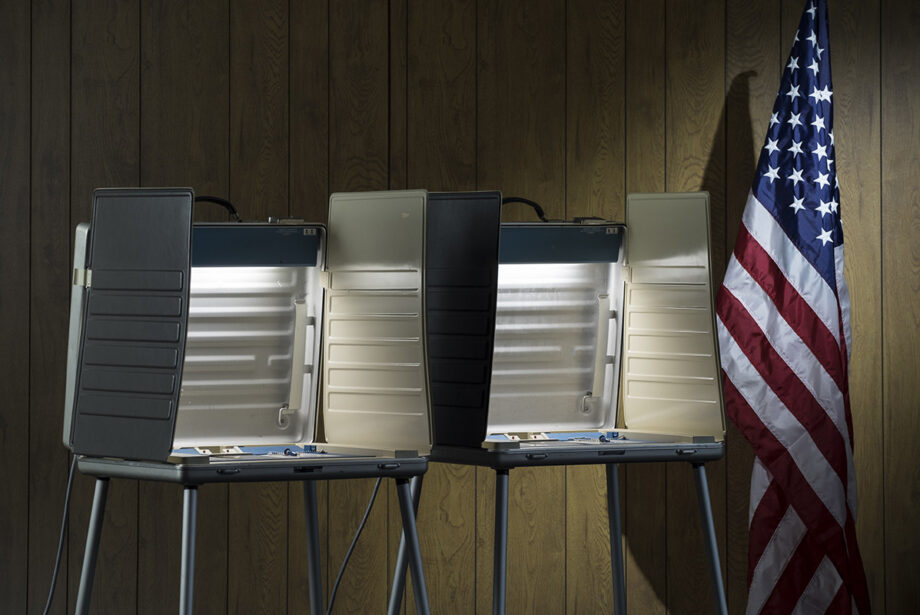
But I know for sure that, if he could, my father would still be voting. Because the importance of voting — the fundamental civic duty of voting — was never in question in my family. As a result, I’m always stunned by the number of Americans who do not vote or who vote only sporadically, and especially by the people who aren’t excited to vote at the very first opportunity. My first vote is one of my enduring memories, and my son made sure to call me after he went to the polls last week.
I have been delighted by what seems to be a bumper year for voting, possibly a record — and not because of natural population growth. The coronavirus pandemic has undoubtedly caused a lot of voters to alter their habits, by either voting by mail or by taking advantage of early in-person voting, as I did. Still, the statisticians at FiveThirtyEight.com have predicted an overall increase in voter turnout of between 5% and 20% compared to 2016.
Gotta love that.
My father’s mother was born in December 1899, so she turned 21 shortly after the 19th Amendment was ratified in August 1920. She was among the first American women never denied the right to vote “on account of sex,” but she was a month too young to vote in the 1920 presidential election. Did she take full advantage of that precious right in the following years? I don’t know. I never thought to ask her.

 Sign up for Daily E-news