Craig Douglass
THIS IS AN OPINION
We'd also like to hear yours.
Tweet us @ArkBusiness or email us
Arkansas consumers have not been shy about expressing their opinions concerning road conditions. Recent research findings — as well as online comments, letters to the editors of local newspapers and conversations over coffee or other adult beverages — have given rise to a collective angst. The late-winter and early-spring weather has not helped attitudes either. Our fickle climate (call it what you will) has ravaged roadways and made consumers on guard as they commute to work, leisure activities or shopping. Unhappy experiences.
We know this widespread sentiment to be particularly true because discussions in focus group research sessions, convened to address a number of varied topics, have invariably digressed to the subject of poor road conditions. It happens when group participants are allowed to express open-ended thoughts about their top-of-mind concerns. After all, many probably hit or attempted to avoid a pothole or other deteriorating pavement on the way to the focus group facility.
A perfect storm of sorts seems to be brewing. It is the combination of a highway-funding pitfall meeting the results of weather-related damage to our roads: lack of consistent and sustainable funding for highway maintenance and construction, colliding with visible and bone-jarring dilapidation of critical infrastructure. State highways, county roads and city streets, alas, have been equally unspared.
Now, a pitfall is commonly thought of as a problem that is hidden or not obvious at first. Such could be the case with highway funding. Although state highway departments around the country, and our own Arkansas Highway Commission, have been warning of the coming cost of doing little or nothing to maintain the highways we have and build the ones we need, it is now evident that the underlying problem has been exposed by the Arkansas winter.
A tipping point?
At the same time potholes were beginning to advance, the Arkansas Highway & Transportation Department was forced to withdraw or otherwise delay scheduled projects because of a lack of federal funding — funding used to reimburse the cost of local projects that Arkansas taxpayers match in order to receive those funds. The federal Highway Trust Fund is broke. It receives revenue from the per-gallon federal fuel tax, and fuel consumption is declining, while construction costs are escalating.
One result in Arkansas is that motoring consumers will not be able to appreciate smoother, safer transportation because the summertime overlay program (paving roadways to extend their usable life) has also been cancelled. And state funds simply aren’t there to pick up the slack.
But wait. What about the projects for which voters approved additional funding in 2011 and 2012? They are indeed underway around the state. We’ve seen the orange barrels. But voters approved only interstate rehabilitation, and the continued construction of four-lane connectors. These two programs are temporary, make up a small percentage of total roadways, and will soon end as the projects are completed and funding is used up.
Perhaps emergency action is needed. To that end, as timing would have it, Gov. Hutchinson is scheduled to appoint a highway funding working group to come up with a consensus on how to solve the systemic problem in highway revenue sourcing, eliminating reliance on the declining gas and diesel consumption tax. The options are many, and the needs are well known. Now all that is required is the courage to act.
The action necessary could include a short-term surge of emergency funding to save private-sector jobs, while individual motorists and trucking interests avoid the major costs of vehicle maintenance caused by declining road conditions. And to meet the important responsibility state and local governments have to ensure safer roadways for indispensable users such as school buses and first-responders. Emergency measures, then, could be coupled with overdue attention to a phased-in, long-term revenue solution.
Arkansas consumers are paying attention to the need for better roads. They have proven in two successive elections that they are willing to invest in themselves and in their state in order to enjoy the benefits of increased funding for improved economic outcomes. They know what’s in it for them and, as their votes have demonstrated, will support fair and equitable funding solutions and the leaders who propose them.
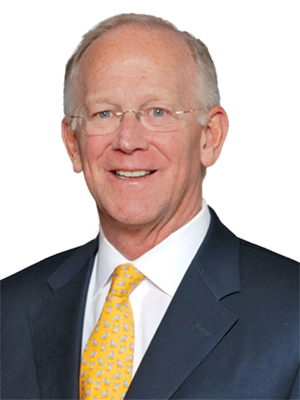
Craig Douglass is an advertising agency owner and marketing and research consultant. He is president of Craig Douglass Communications Inc. of Little Rock. Email him at Craig@CraigDouglass.com.
 Sign up for Daily E-news