Arvest Bank’s hiring last year of a former Google executive signaled the start of a digital transformation that aims to keep the bank on the cutting edge while maintaining good customer service in both digital and in-person transactions.
Executives say if the plan is successful, it will enable Arkansas’ largest state-chartered bank by assets to continue business for 100 years or more.
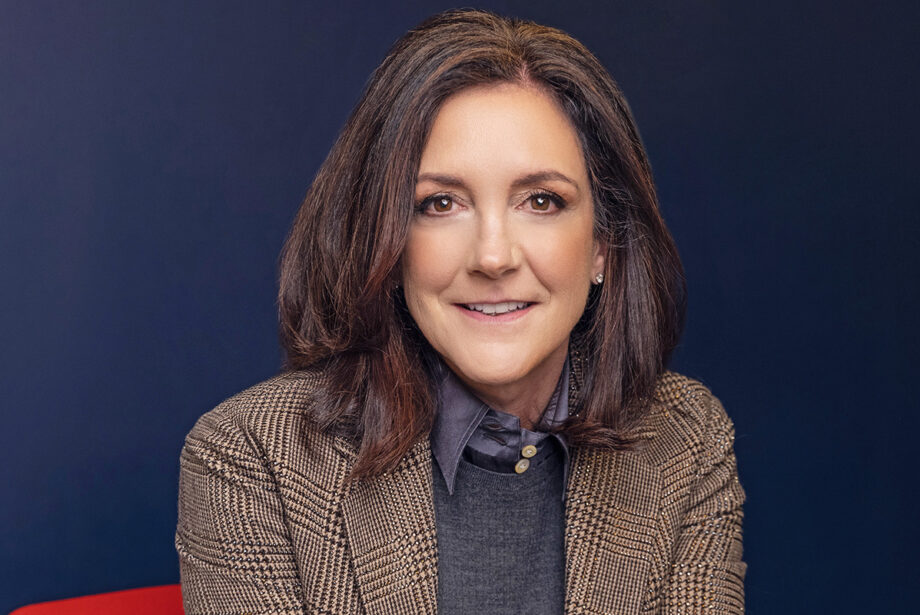
“We want to keep our culture and our relationships and what it means to be a community bank, even as we grow and even as we digitize. … We don’t want to lose those,” said Laura Merling, who was chief transformation officer and managing director at Google Cloud. Merling started at Arvest of Fayetteville in September and is the bank’s chief transformation and operations officer.
“It’s a journey that we believe we will continue to be on over time,” said Brad Crain, president and CEO of Arvest Bank in Benton County. “We want to attract the next generation of customers, but we’re fully focused on making sure that we don’t lose sight of the core customers that we have today. We want to make sure that we know we’re not just relevant as a financial services institution but we continue to lead the way.”
Arvest, which operates 244 offices in Arkansas, Oklahoma, Missouri and Kansas, posted assets of $26.77 billion as of Dec. 31, up 9.8% from the previous year.
Evolving Customers
The executives said customer needs and expectations are evolving rapidly. They said Arvest must transform to keep up while retaining its core differentiator: customer service excellence in digital and in-person transactions.
So far, the bank has identified its strengths and vulnerabilities through customer and employee surveys. Arvest launched a customer survey last week to help it better understand who its customers are, how they think about their financial life and what they need from a financial ecosystem, Merling said.
During the next three to five years, she said, Arvest will have to think about how it can provide “an ecosystem of partnerships” instead of just products.
“‘Ecosystem’ goes beyond just what we offer, but what are the other things that encompass the financial success of their business? Or of their personal life?” she said.
Merling said the work began about 18 months ago, before she arrived, when Arvest President and CEO Kevin Sabin made driving change “one of the key pillars of what we do as a company.” The bank also surveyed employees to determine their readiness for change.
Arvest is now set to launch an online platform this year that will provide more information about customers in real time to increase self-service offerings, she said.
One of Arvest’s strength is its growing commercial business, and equipment finance in particular, Merling said. Equipment finance will be one of the first products offered through the new platform, followed by more commercial lending products this year and deposit products next year, she said.
Vulnerabilities
Vulnerabilities, identified by a study that concluded in December, include issues that could be addressed immediately and in the long term, Merling said. Action plans are already underway, she said.
One example of a short-term vulnerability is that customers who want to reset their online banking password must call the bank’s contact center. That takes up time the center could use to address more complex issues.
Long-term vulnerabilities for the bank include achieving a consistent customer experience across channels.
“So, you know, customers don’t always go to the same channel, meaning sometimes they’ll call the contact center. Sometimes they’ll go on the web or their mobile app. And sometimes they actually want to walk into a branch,” Merling said. “They want a consistent experience, and we don’t have that for them today.”
As long-term changes are made around people, processes and technology, Crain said, “our branch model is changing and evolving, but it will still continue to be a key component of our service as our focus on convenience goes forward.
“As we move forward, we need to be able to find what this community bank will look like in a digital world for our customers and our associates. And that doesn’t mean abandoning a branch experience, but it means continuing to focus on both sides to ensure that we will leverage our strengths in relationship development and our high focus on excellence in customer service.”
 Sign up for Daily E-news