It comes down to people and places.
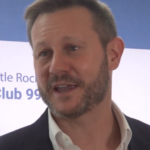
John Lenio
Executive Vice President and Economist, CBRE
Alan Reeves
Director, Nemark Knight Frank
A company seeking the best site for relocation will prioritize the quality of the available labor and real estate as it looks to make its move, said site selection expert John Lenio.
“[For] anybody who’s an office user, labor availability, quality and cost is the first location driver,” Lenio said. “When we look at industrial, like manufacturing or distributing, the labor component is No. 2 on the list. The first item for industrial is proximity to customer support and transportation infrastructure.”
Lenio is an economist and executive vice president of location incentives for CBRE, the Phoenix-based real estate services firm that helps match clients with the most ideal sites for business locations. His is the kind of expertise Conway city leaders and economic developers are seeking when they court businesses looking to make a move.
Brad Lacy, president and CEO of the Conway Area Chamber of Commerce, said the city — part of a larger metro area that includes North Little Rock and Little Rock — has tried to be proactive in engaging with firms like CBRE. The goal is to match Conway’s best, business accommodating attributes with enterprises looking for a home.
“We work closely with the Arkansas Economic Development Commission and the Metro Little Rock Alliance on national marketing opportunities,” Lacy said. “Last year we began going to major markets on our own to meet with site location consultants. We plan to make four of those trips this year.”
Lacy said it is important to know what the city has to offer in order to have the best shot at attracting new businesses.
“You need to know what your sweet spot is and for us it is the availability of a young, degreed workforce,” Lacy said. “This makes us a good fit for and gives us a leg up on shared services and technology projects. We are a great value for companies who may be on either coast or just in large, urban areas.”
It would be a mistake for a site-seeking company not to take the local talent pool into account, Lenio said. If a company is technological or service oriented, Conway would be a good fit, but perhaps would have less to offer a transportation company.
To attract an industrial operation, Lenio said, the availability of transportation infrastructure gets a city on the short list, and good real estate — an adequate sized building or developable land — will keep it on the short list. Lacy said Conway can find a place on those lists.
“Manufacturing projects will have requirements that are diverse,” Lacy said. “Access to rail; certain power, water or wastewater requirements; and just the physical size of the site needed. You need to have, and we try to have, a good inventory of sites available for consideration.”
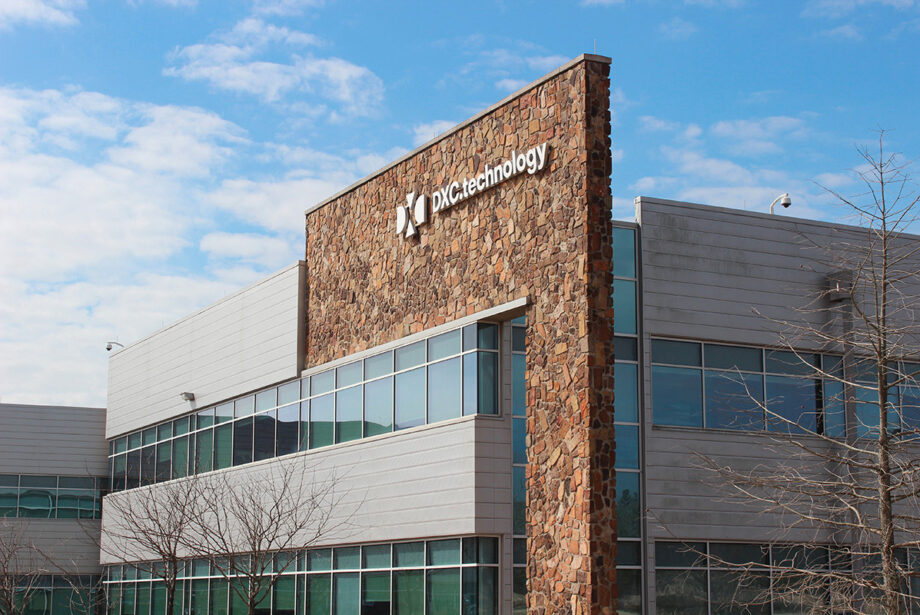
Conway’s success stories include attracting Hewlett Packard to open a facility and working with Molex to set up shop for its design and engineering team. The city has plenty more locations with potential, Lacy said.
“For office users, we have the Meadows Office & Technology Park but we also believe that Central Landing will have competitive office sites,” Lacy said. “Our largest industrial site is just over 50 acres. One of the biggest strengths is that the [Conway Development Corporation] owns these sites and can be aggressive on price.”
While workforce and geography have not changed, economics have changed the lineup of potential cities for site selection, Lenio said. For the past 10 years, companies have been moving from high cost markets like New York, San Francisco, Los Angeles and Chicago, to places like Phoenix, Dallas and Atlanta.
But as wages in such places go up, medium tier markets like Little Rock, Kansas City, Nashville and Charlotte become competitive.
If every city being considered has the big picture items, Lenio said the site selection consultants will consider for their clients things like local weather, amenities for employees like nightlife or recreational options and of course tax incentives, economic advantages and regulations.
If you don’t build the type of community that is attractive to people, Lacy said, you have no chance of competing for economic development projects.
“That’s why you will see us work alongside city government on things like trails, downtown infrastructure or most recently our push to change the private club law to allow microbreweries in dry counties,” he said. “You have to check all of the boxes.”
See more about Conway’s economic growth at Outlook Conway.
 Sign up for Daily E-news