THIS IS AN OPINION
We'd also like to hear yours.
Tweet us @ArkBusiness or email us
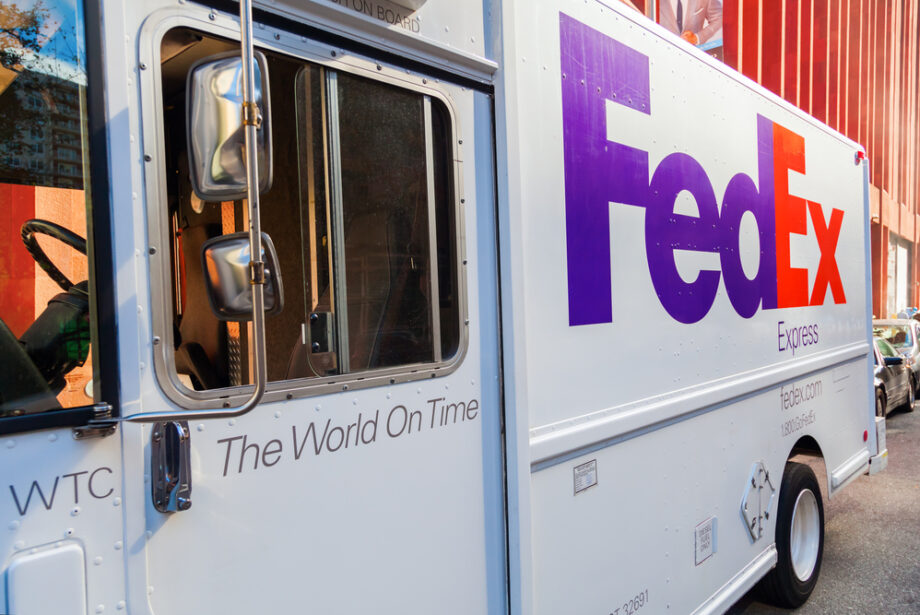
Growing up in Memphis, as I did, evidence of the impact of FedEx was everywhere.
It was in the name of the NBA arena, countless neighbors and friends were employees, and the company’s planes dotted the south Memphis skies.
Founder Fred Smith’s death on June 21 at age 80 rippled through the community in Memphis.
In Little Rock, the mention of FedEx evokes a more complicated reaction. Since Smith founded the company in Little Rock, it will always be the one that got away.
But as we were discussing last week in the Arkansas Business newsroom, overly harsh criticism of Little Rock’s failure to keep FedEx amounts to an extreme case of Monday-morning quarterbacking that ignores a set of conditions outside of the city’s control that ultimately led the revolutionary company to relocate to Memphis in 1973.
Instead, I think it demonstrates a fundamental truth about economic development — it’s often a crapshoot.
It is unrealistic to expect leaders in Little Rock at the time to have made the type of investments in the airport and elsewhere to appease FedEx, which hadn’t yet turned a profit.
Yet Memphis, with infrastructure flexibility, investment and a better airport, did take the risk, and as the more than 30,000 Memphis-area FedEx employees can attest, it has paid off. Memphis now is one of the logistics capitals of the world.
The risk was described in a 2010 Governing Magazine article as “the single most important economic development decision made in any major U.S. city in the past 30 years.”
What makes the FedEx story so instructive is that both cities made rational decisions based on the information available at the time. Little Rock’s airport commission couldn’t have foreseen that Smith’s crazy idea of flying packages around at night would revolutionize global commerce.
Memphis wasn’t necessarily smarter. It gambled on an unproven concept. It invested millions in incentives and airport improvements, which were significant commitments for a 1970s municipal budget, particularly for a company that nearly went bankrupt in its early years, with Smith famously threatening to jump out of a Little Rock bank building window in 1974.
The story illustrates that timing is everything, and that sometimes you just need dumb luck. It’s also a reminder that sometimes the proper infrastructure, or a willingness to adapt your infrastructure, is more attractive than a tax credit.
And for every FedEx, there’s a failed project that received government support and fanfare. See the North American CZ headquarters that never materialized at the Port of Little Rock, though that project fell apart due to factors outside of anyone’s control.
Economic development is, as ever, dependent on much more than our ability to predict and attract the companies we think will shape the world of tomorrow.

 Sign up for Daily E-news