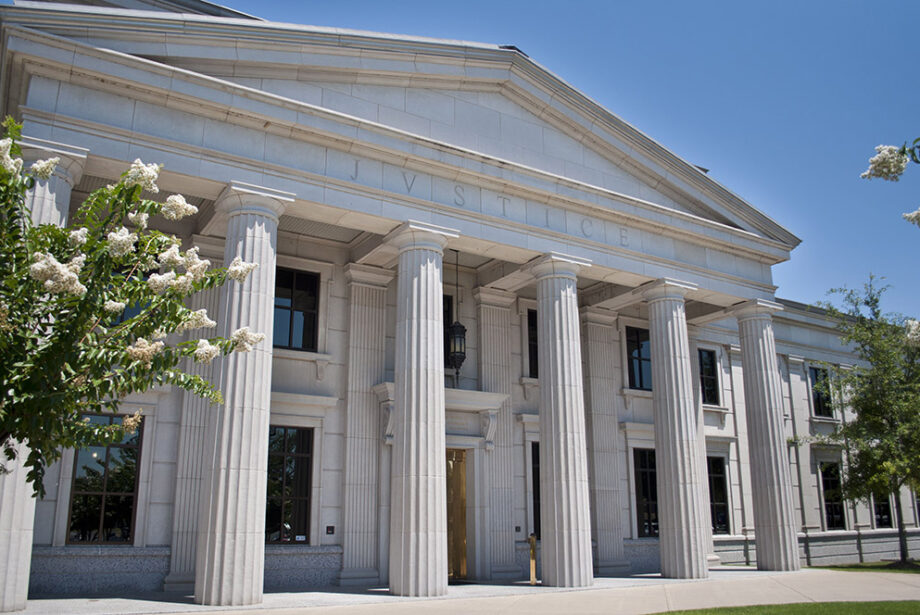
If you haven’t already, be sure to read one of last week’s cover stories, “Keeping Tabs on the Justices,” by reporter Lara Farrar, which examines how Arkansas disciplines and monitors the financial disclosures of its state Supreme Court justices.
The idea for the story was simple. We wondered, given the news surrounding U.S. Supreme Court Justice Clarence Thomas and his failure to report the lavish gifts he received from billionaire Republican donor Harlan Crow, what the oversight of state Supreme Court justices looks like here in Arkansas.
What do Arkansas justices have to report about gifts they receive, investments they hold or any other personal financial information? How do they report that information, and can the public easily access it? Also, how robust is the apparatus that monitors these filings and handles complaints about justices — or any judge in Arkansas?
Farrar delivered a good overview of how the Arkansas system works. But she also found that two of the main bodies tasked with keeping up with justices are reactive in nature, understaffed and underfunded.
She also found that the rules — many of them written by the justices themselves — surrounding disclosures of relationships, gifts, investments and travel expenses are far from cut and dried. “People get frustrated because there are not black-and-white answers,” Graham Sloan, director of the state Ethics Commission, told Farrar. “I don’t know if the real world lends itself to absolutes. There are other factors to be considered, and that’s what we do.”
At the Ethics Commission, Sloan’s $1 million budget and 11-person staff keep an eye not only on the state’s high court but all other Arkansas elected officials. The budget doesn’t grow much, but Sloan said the duties often do. “We seem to keep getting additional jurisdiction without additional resources,” he told Farrar.
The Arkansas Judicial Discipline & Disability Commission is in a similar boat. Its six employees and $700,000 annual budget monitor the conduct of all Arkansas judges and justices. It receives about 300 complaints per year (50 per employee), including those regarding donations and gifts.
The former head of that commission, David Sachar, told Farrar that before leaving the agency this spring, he sent a letter to the Arkansas attorney general’s office requesting more resources for the JDDC.
“If you want a police force, you have to fund it,” Sachar said. “If you want an auditor, you have to fund it. Judicial conduct commissions are valuable.”
No system is perfect, particularly in government. But one that oversees two important components of our democracy — officials in public office and the judiciary — requires they at least be provided the tools they need to do their jobs effectively. Farrar’s reporting shows that the state Ethics Commission and the JDDC might need help. Arkansas could start by providing better funding and more resources to these crucial organizations.

 Sign up for Daily E-news