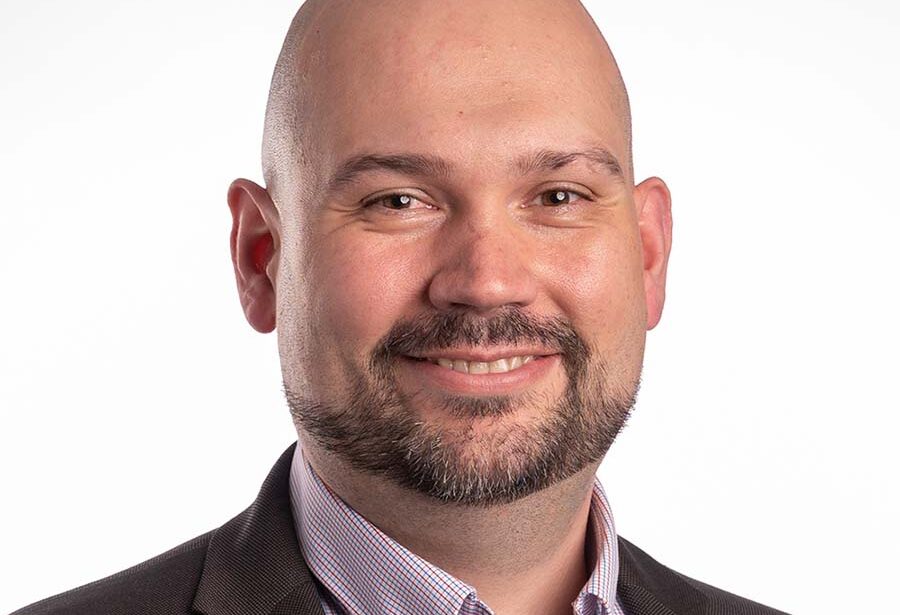
BioVentures President Dr. Kevin Sexton
UAMS has received a $1.8 million federal grant for a project that aims to help close gaps in trauma patient outcomes across the U.S.
The project, led by Dr. Kevin Sexton and Mathias Brochhausen, will test which organizational features affect patient outcomes at 230 Level 1 and Level 2 trauma centers. Sexton and Brochhausen are also creating computer-based tools to help institutions apply the information to their specific trauma centers.
The four-year grant supporting their work comes from NIH’s National Institute of General Medical Sciences. It renews a previous six-year, $1.3 million grant grant from the agency.
UAMS said that data collected by researchers will be incorporated into new computer-based interactive visualization tools that will enable trauma center leaders and managers to compare their organizational structures and trauma patient outcomes.
No definitive evidence has been established between organizational structures and trauma patient outcomes, but the UAMS team has found connections, the release says. In one case, national data showed that patients who suffered acute kidney injuries had better outcomes at Level 1 trauma centers compared to Level 2 trauma centers. The only difference between the two is that Level 1 centers are run by academic institutions like UAMS, while Level 2 trauma centers do not have a research component.
The research team will examine 40 organizational features that are likely to influence patient mortality, length of stay and major complications. By testing these potential correlations over time, the researchers believe they’ll be able to identify the most important organizational changes needed for the best patient outcomes.
“We will develop a comprehensive picture of the environment that patient is in,” Sexton, the president of BioVentures LLC at UAMS, said in the release. “It’s a strong example of translational research because we will be providing actionable information directly from the patient’s bedside, which is very likely to translate to improved outcomes.”
 Sign up for Daily E-news