Arkansas Business Health Care Reform Symposium

Denial of Health Care Reform Won’t Serve Anyone Well (Jeff Hankins Publisher’s Note)
Whatever the outcome of the political fight over Obamacare, we're going to face a bunch of frustrated consumers who simply want affordable, quality health care. read more >
by Jeff Hankins -
The Poor Are Different From You and I (Gwen Moritz Editor’s Note)
Like it or not, health care reform isn't going away. Arkansas should make the most of it. read more >
by Gwen Moritz -
How Will Your Business’ Bottom Line Be Impacted by Health Care Reform? (From the Publisher)
How to provide quality health insurance to employees — and at an affordable price — has long been a serious challenge for Arkansas businesses. And now, with the U.S. Supreme Court upholding the Patient Protection & Affordable Care Act, questions abound about how health care reform will affect businesses, their employees and individuals. read more >
by Jeff Hankins -

Improving the Arkansas Health Care System
Arkansas' Surgeon General Dr. Joe Thompson on how the Affordable Health Care Act may curb costs and provide greater access. read more >
by -

Significant 2013 & 2014 Business Tax Implications Of Health Care Reform
When the reform became law in 2010, many of the changes seemed far in the future; some don’t take effect until 2018. For this reason, the majority of small businesses have delayed the development of related strategy and planning. read more >
by -

Health Care Reform — The Employer Mandate
Juliana Reno reviews who is affected by the employer mandate, how to comply with the act and the penalties for non-compliance. read more >
by -
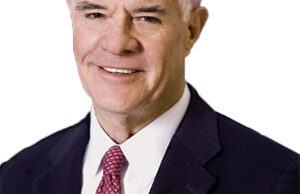
Planning for the Federally-facilitated Health Benefits Exchange Partnership in Arkansas
Arkansas Insurance Commissioner Jay Bradford describes the planning that businesses will need to pay attention to in instilling the Federally-facilitated model. read more >
by -
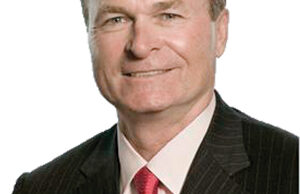
‘Pay or Play’ — The Employer Dilemma
Employers with less than 50 “full-time equivalent employees” are exempt from the mandate but will still need to make a business decision on whether to offer employer sponsored health insurance as a benefit of employment. read more >
by -

Health Reform Initiatives Underway But Challenges Await
One of the primary goals of health reform is to make health care accessible to more people. But, it is not enough to simply increase accessibility; it must also decrease costs. To accomplish this it is important to understand the dynamics of rising health care costs. Expanding coverage without addressing the rising costs will not cure our inefficient system regardless of who pays the bills — private insurers, government, employers or individuals. Most industry experts believe that to effectively reform health care, we must find ways to improve quality and get control of the broader causes of rising costs. read more >
by -

Blueprint For Future Should Be Found In Efforts Of Past
Taking a journey back in time for the moment, for just about every one of the last seven decades, the health care industry (insurers, hospitals, and physicians) has experienced a radical change, shift, and/or transformation in the way work and business needs to be conducted. read more >
by -

Medicaid Expansion In Arkansas Worth Serious Consideration
One of the biggest impacts of the Patient Protection & Affordable Care Act is to give states the option of offering Medicaid coverage to those with the lowest incomes. In Arkansas, that would mean providing much-needed access to care for about 250,000 mostly working adults. read more >
by -
 Sign up for Daily E-news
Sign Up
THIS WEEK’S EDITION
 This Week’s Stories
View Digital Edition
This Week’s Stories
View Digital Edition