U.S. Bureau of Economic Analysis
Arkansas Leads in GDP (Editorial)
Arkansas punches above its weight in terms of the goods and services its citizens produce. read more >

Off-Road Tourism Revving Up Arkansas’ Economy
Off-road tourism in Arkansas hit $90.1M in 2022, fueled by growing ATV/UTV use, with pioneers like Pam Ferguson driving trail development and eco-conscious growth. read more >
by Marty Cook -
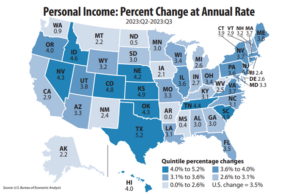
Arkansas Personal Income Shows No Growth in Q3
Personal income in Arkansas showed no growth during the third quarter of 2023 compared with the previous quarter, according to the U.S. Bureau of Economic Analysis. In the other 49 […] read more >
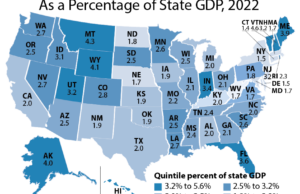
Outdoor Recreation Accounts for 2.5% of Arkansas GDP
The U.S. Bureau of Economic Analysis on Nov. 17 released statistics measuring the outdoor recreation economy for the nation, all 50 states and the District of Columbia. The new U.S. […] read more >
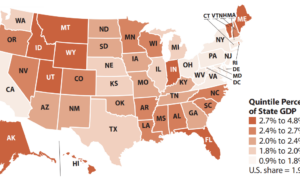
Outdoor Recreation Accounts for 2.4% of Arkansas GDP
Nationwide, it accounted for 1.9%, or $454 billion, of current-dollar GDP in 2021. read more >

Outdoor Recreation Accounts for 2.2% of Arkansas GDP
The outdoor recreation economy accounted for 2.2% of gross domestic product in Arkansas in 2020, according to the U.S. Bureau of Economic Analysis. read more >
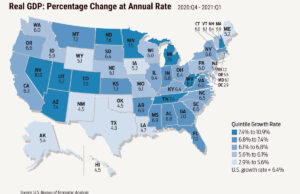
Arkansas Q1 GDP Rises 6.9%
Real gross domestic product rose in all 50 states and the District of Columbia in the first quarter of 2021. read more >
Arkansas Improves Economic Ranking (Greg Kaza Commentary)
Two decades into the 21st century, it’s clear Arkansas’ national economic ranking has changed in a fundamental way. read more >
by -
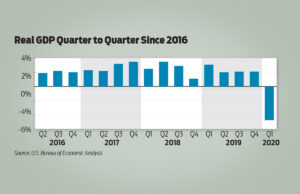
First-Quarter GDP Declines 4.8%
Real gross domestic product in the United States — the goods and services produced in the nation — declined at an annual rate of 4.8% in the first quarter of 2020. read more >
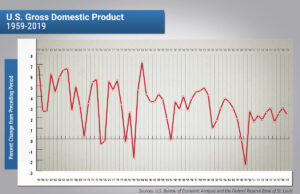
U.S. Gross Domestic Product Falls to 2.3% in 2019
Real gross domestic product in the United States rose 2.3% in 2019, compared with an increase of 2.9% in 2018. read more >
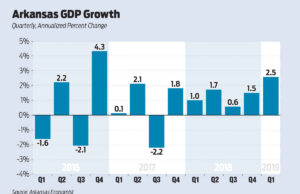
Arkansas GDP Grows 2.5% in Q1
Arkansas’ gross domestic product expanded by 2.5% during the first quarter of 2019, the highest quarterly growth rate for the state since the fourth quarter of 2016, Michael Pakko noted recently on his Arkansas Economist blog. read more >
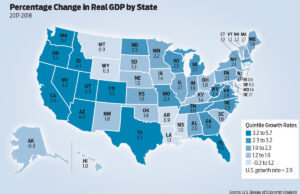
Arkansas GDP Rises in 2018
Real gross domestic product rose 0.9% in 2018 in Arkansas compared with 2017, according to the U.S. Bureau of Economic Analysis. read more >
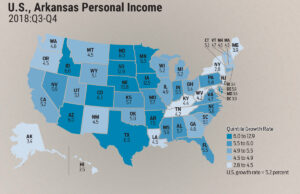
Arkansas Personal Income Soars 7.5%
Total personal income in Arkansas jumped at an annual rate of 7.5% in the fourth quarter of 2018, outpacing the U.S. growth rate of 5.2%, according to the U.S. Bureau of Economic Analysis. read more >

Nothing Lasts Forever (Editorial)
It looks like the “Trump bump” in 2017, when the DJIA increased by 25 percent, may have to suffice for two years — and it’s not a bad return even then. read more >
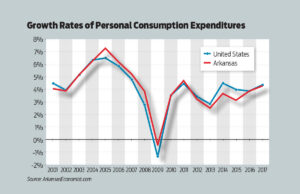
Arkansas Personal Consumption Spending Up 2.5 Percent
Personal consumption expenditures in the United States rose 4.3 percent in 2017, according to the U.S. Bureau of Economic Analysis. read more >
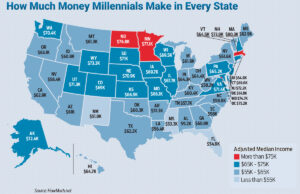
Millennial Salaries Adjusted State by State
The map, created by the website HowMuch.net, a cost information website, shows median annual salaries for millennials on an adjusted basis. read more >
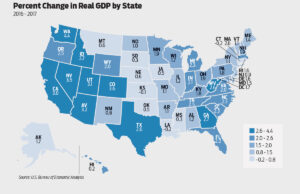
Arkansas Sees 1.1 Percent Increase in GDP
Real gross domestic product grew in 47 states and the District of Columbia in 2017, averaging 2.1 percent nationally, according to the U.S. Bureau of Economic Analysis. read more >
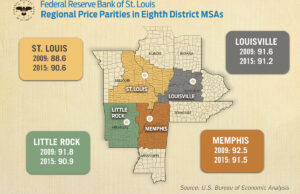
Comparing Metro Area Living Standards (James Bullard Commentary)
The results of this analysis show the importance of adjusting for price differences across regions when comparing living standards. read more >
by -
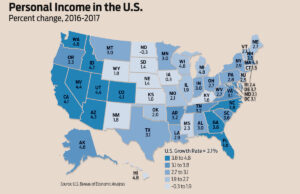
Arkansas Sees Increase in Personal Income
Personal income in Arkansas rose 3.2 percent in 2017, the U.S. Bureau of Economic Analysis reported late last month. That increase beat the average for all the states of 3.1 percent. read more >
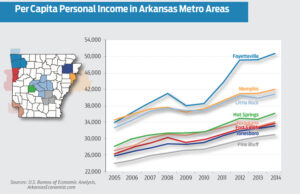
Personal Income in Arkansas Metro Areas See Increase
The eight metropolitan areas of Arkansas reported increases in local area personal income in 2014, with growth ranging from 1.6 percent in Pine Bluff to 4.1 percent in Fort Smith. read more >
 Sign up for Daily E-news
Sign Up
THIS WEEK’S EDITION
 This Week’s Stories
View Digital Edition
This Week’s Stories
View Digital Edition