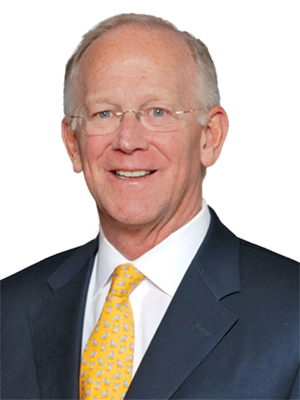
Craig Douglass
THIS IS AN OPINION
We'd also like to hear yours.
Tweet us @ArkBusiness or email us
The economic effect of falling gasoline prices cannot be overstated. (Well, anything can be overstated, but you get the point.)
Last month, we discussed how Arkansans’ discretionary income is being increased because prices at the pump are now at $3 or less per gallon. We are enjoying the lowest gas prices since 2010, prices that could result in an increase in overall economic growth by a half percentage point in the fourth quarter alone, due to higher consumer spending.
The consequence is a gasoline dividend, which is being paid to Arkansas motorists and their households every time a tank is filled. In addition to general retail spending and the state sales tax collections that go with it, here are three specific outcomes of the dividend we should be looking for.
Stimulus
Some economists say the current state of energy pricing, including natural gas, is creating in our economy a new stimulus not funded by government. (Although allowing oil production to increase without stifling over-regulation could be a stimulus somewhat government-assisted.) Because the economic recovery since the recession has been slow to materialize, particularly in incremental wages, this kind of stimulus is surely felt more by lower- and middle-income Arkansans.
Marketers in the low-price segment should increase promotions to this target audience and ramp up discounts. In fact, Wal-Mart Stores recently reported that cheaper gas in the third quarter helped boost sales at its stores. The world’s largest retailer said a key revenue measure for its discount stores rose for the first time in nearly two years. If low gas prices continue, Barclays notes, there could be $70 billion more in economywide spending over the next year, compared with 2014.
Lottery
Lottery sales are directly related to the price of gasoline. Because a vast majority of lottery sales are at convenience stores that also sell gas, customers inclined to play lottery games are more willing to part with the new-found cash they have as a result of lower prices at the pump.
The Arkansas Scholarship Lottery reports increased sales of scratch-off tickets, the most popular. The lottery-gasoline correlation creates incremental sales on its own.
The opportunity, however, must not be missed to increase lottery marketing, advertising and promotion during this period, and for as long as it lasts, to take advantage of greater discretionary spending. And to work directly with vendors to improve merchandising and promotion strategies targeting the retail consumer.
One illustration of such a strategy would be to tie gas pricing directly to lottery instant games through a c-store-supported promotion.
Travel
The travel and tourism segment obviously should benefit from falling gas prices. And one would think airline travel would become a bit more affordable. Not so. The airline industry is enjoying the differential between fuel prices and fares: increasing profits. In fact, airlines have saved $1.6 billion in fuel costs over the last 12 months (through September). There seems to be no incentive for airlines to lower fares, as seats are full on their current routes. To the contrary, fares are continuing to increase.
The incentive in travel is by car, stretching out by an extra two to three hours on the highway, to destinations where travel would usually be by air. Retailers, including restaurants and motels, should be seeing increases along the way.
***
Nothing lasts forever. Consumers, then, will no doubt take advantage of the benefits of increased oil production and lower global demand before continuing soft demand and lower prices remove the incentive for further exploration and production, thus tightening supply. Or if OPEC cuts back its production, which provides the world roughly a quarter of its current supply.
Americans spend around $1 billion every day on gasoline. If the current price levels continue, savings in excess of $8.4 billion could be realized by consumers nationwide just in November and December. So there is no doubt Arkansas consumers are getting a break and should enjoy the extra money as a special gift during the holiday season.
Craig Douglass is an advertising agency owner and marketing and research consultant. He is president of Craig Douglass Communications Inc. of Little Rock. Email him at Craig@CraigDouglass.com.
 Sign up for Daily E-news