THIS IS AN OPINION
We'd also like to hear yours.
Tweet us @ArkBusiness or email us
Consumers behave. Sometimes they behave consistent with predictions. But most times, consumer behavior is studied to make predictions. Either way, consumer activity expressed through spending, which makes up over 70 percent of the nation’s overall economy, is measured and analyzed to inform marketplace decisions.
One piece of consumer spending not often considered is the part that goes to state and local taxes. And taxes are based on the need for revenue to fund services. That’s where public policy comes in.
The Arkansas Policy Foundation is being recognized this month for its 20th anniversary. Formed in 1995, the foundation is a nonpartisan, nonprofit organization that analyzes the impact of public policy in Arkansas and its impact on Arkansans and makes action-oriented recommendations.
The foundation emphasizes the importance of tax policy and education reform. In those two specific areas, the foundation states on its website that the principles of tax policy include benefits from comprehensive, pro-growth reform, as well as dynamic scoring of tax changes and how those considered changes affect the public good.
When it comes to education reform, the foundation “seeks intellectual honesty and complete openness in reporting the lack of academic progress in Arkansas’ school system.” The Arkansas Policy Foundation has long been a champion of school choice and a comprehensive charter school strategy.
After the foundation was formed, it initiated a review of state government and its myriad operations and services. Led by Madison Murphy of El Dorado, the Murphy Commission, as an offshoot of the foundation, devoted almost three years (1996-99) to a detailed study of Arkansas state government. More than 100 community leaders and volunteers developed recommendations to make Arkansas government smaller, more cost-effective and more accountable to taxpayers. As part of the process, the Murphy Commission had complete cooperation from every agency of state government.
Today, as part of the 20th anniversary recognition of the foundation, a new initiative focused on the efficient operation of state government is being developed. Beginning with a definition of “efficiency” — meaning achieving a given outcome at the lowest possible cost to taxpayers — this fledgling study will explore the notion of not necessarily maximizing resources or better directing them; instead, it will look at minimizing the cost of government to taxpayers.
One example suggested by the foundation is a look at the efficiency and effectiveness of Arkansas’ government-related boards and commissions. Again, the foundation website includes the following: “Boards and Commissions have been described as ‘low-hanging fruit’ in terms of state government reorganization. A state website lists 119 separate entities that include the words ‘board’ or ‘commission,’ though the number could be greater. A U.S. Supreme Court decision earlier this year has caused analysts to question whether some boards and commissions interfere with the workings of a market-based economic system.” And so goes the initial attempt to examine Arkansas state government and how it could work more effectively and efficiently.
We have stated in previous columns that there are different classes of consumers. For our purposes here, we should consider political consumers as they relate to public policy. That relationship can be through their elected officials or through their own activism. In order to ensure their spending gets the most bang for the buck, it is not unreasonable to look at the cost of government operations with the same critical eye with which consumers view the quality of products and services at retail. With that same critical eye, political consumers may make judgments on the candidates they choose, the issues they support and the policies they approve.
Consumers also want to have the right to make some of these government policy choices themselves. In fact, Arkansas’ constitutional right to initiate ballot issues is alive and well. If legislative leaders do not act, the people certainly may through the petition-drive process.
Research organizations like the Arkansas Policy Foundation serve an important role in our democracy. They delve, discover, develop, disseminate. And they provide consumers with information to do what they do best: decide. That’s just how consumers behave.
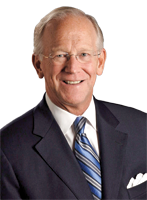 |
Craig Douglass is a Little Rock advertising agency owner and marketing and research consultant. Email him at Craig@CraigDouglass.com. |
 Sign up for Daily E-news