


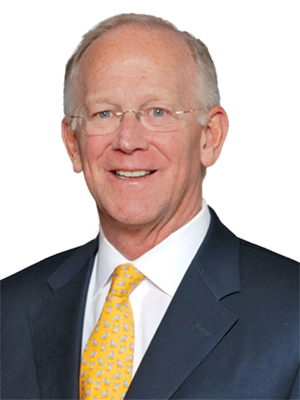
Craig Douglass
THIS IS AN OPINION
We'd also like to hear yours.
Tweet us @ArkBusiness or email us
Could gas prices fuel a more robust economy? Perhaps. If they keep falling. But not if they fall too much more. Let me explain.
The Great Recession, caused by the housing collapse in 2008, is over. And it has been for some time. But for many who depend on consumer spending, including state government coffers, postrecession economic growth has been sluggish at best. Consumer spending makes up roughly 70 percent of the overall economy, and consumers are keeping their hard-earned money in their pockets. That pocketed cash, when used, is called discretionary spending. It’s the amount of a household’s income left over at the end of the month for spending, investing or saving, after taxes and personal necessities, such as transportation, food, housing and clothing, have been paid.
So much for the tutorial. The important theme to remember is, if gas prices — now less than $3 per gallon for regular — continue to fall, then Arkansans’ discretionary income will increase because filling up at the pump will cost less. Right now, it looks like we are saving anywhere from $10 to $15 per tank compared with this time last year. The impact varies by household, so you do the math. When you remember that a gallon of regular gas costs as much as $4.20 in February 2013, you quickly realize there is more to spend on other necessities, or even nonessentials. And that’s where the impact on the economy comes in.
There’s a double whammy to this scenario: Not only is gas costing less, Arkansans are buying less gas. Better miles per gallon, hybrids and general conservation have seen to that.
The economic experts say it takes two to three months for significantly reduced gas prices to work their way from the consumer through the economy. If so, then we should be seeing increased retail sales, and the sales tax collections that come with them, by the time holiday-season spending arrives. But make no mistake: Arkansas sales tax collections as a result of consumer spending have been fairly dismal. Expect to see, however, an uptick in those collections with the October and November reports. In fact, research from Prosper Insight & Analytics projects sales increases of 8 percent or better this coming holiday season. The reduction in gas prices will help meet, and perhaps exceed, those projections. But you have to do your part.
All good news, right? I certainly thought so as I was considering this column. But then a report on NPR and a story in the Washington Post illustrated the flip side of this coin.
Another consequence of lower gas prices is low inflation. Two weeks ago, the U.S. Labor Department reported the Consumer Price Index increased in September by a nearly imperceptible 0.1 percent. And for the past 12 months, that index has increased by only 1.7 percent. Little or no inflation across the board means there is no pressure to increase prices on goods and services.
The problem recognized by some worrisome economists is deflation — a sustained reduction in prices resulting in narrowing profit margins, layoffs, business closings and loan defaults.
We, of course, could further explore a doomsday scenario of decreases in demand, prices, valuation of assets, etc. But the Federal Reserve, which controls monetary policy in this country and wants to see inflation kept at around 2 percent, will surely act by increasing the money supply, if necessary. Always looking for the “Goldilocks” economy, we may be in a sweet spot right now, where factors are “just right.”
For now, consumers should take advantage of the current low inflation and moderating prices and spend. Advertisers, too, should be encouraged by positive consumer sentiment coupled with greater discretionary income and encourage consumers via discounts and sales promotions.
November is finally here. The can’t-end-soon-enough political advertising, polls and phone calls are coming to an end. Congratulations to the political winners. It’s now your job to be the kind of stewards of public policy that give consumers the very best opportunities to participate in a growing Arkansas economy — and spend.
Craig Douglass is an advertising agency owner and marketing and research consultant. He is president of Craig Douglass Communications Inc. of Little Rock. Email him at Craig@CraigDouglass.com.
 Sign up for Daily E-news










