THIS IS AN OPINION
We'd also like to hear yours.
Tweet us @ArkBusiness or email us
Compromise is not a four-letter word. It’s a way to appeal to the greatest number of players or customers. Compromise moves ideas, issues and products toward acceptance.
Colin Powell, former chairman of the Joint Chiefs of Staff and secretary of state, said, “Just as they did in Philadelphia when they were writing the Constitution, sooner or later, you’ve got to compromise. You’ve got to start making the compromises that arrive at a consensus and move the country forward.”
Consumer research on purchasing decisions in Western cultures addresses, in part, the impact of “plenitude.” For our discussion, we’ll define plenitude as abundance. When consumers are faced with an abundance of choices among similar products or services, decision-making or the purchasing decision process is influenced by two competing forces: confusion and compromise.
As far as compromise is concerned, according to Paurav Shukla, a marketing professor in the Essex Business School at the University of Essex in the United Kingdom, consumers are faced with what Shukla calls “perceived sacrifice.”
His example of the compromise effect, or perceived sacrifice, is explained this way:
Imagine you are planning to buy a new smartphone. There are several major considerations when attempting to make the right choice among a plethora of options:
- Service provider;
- Type of contract;
- Brand of phone;
- Type of operating system;
- Features of the phone, and so on.
The research suggests that the decision is influenced first by cost, and then cost compared with features and benefits. The greater the cost-consciousness of the consumer the more likely he is to give up or sacrifice other considerations. The consumer will reach a compromise on cost versus features and features versus benefits to reach a decision. This compromise effect affects immediate consumer decisions, then can influence future decisions based on “choice confidence” and “anticipated regret.” It’s a trade-off, a balancing act.
Consumer marketers, of course, understand this dynamic and position products and services based on a wide array of target customer demographics and desires — and satisfy the needs of the former and the wants of the latter.
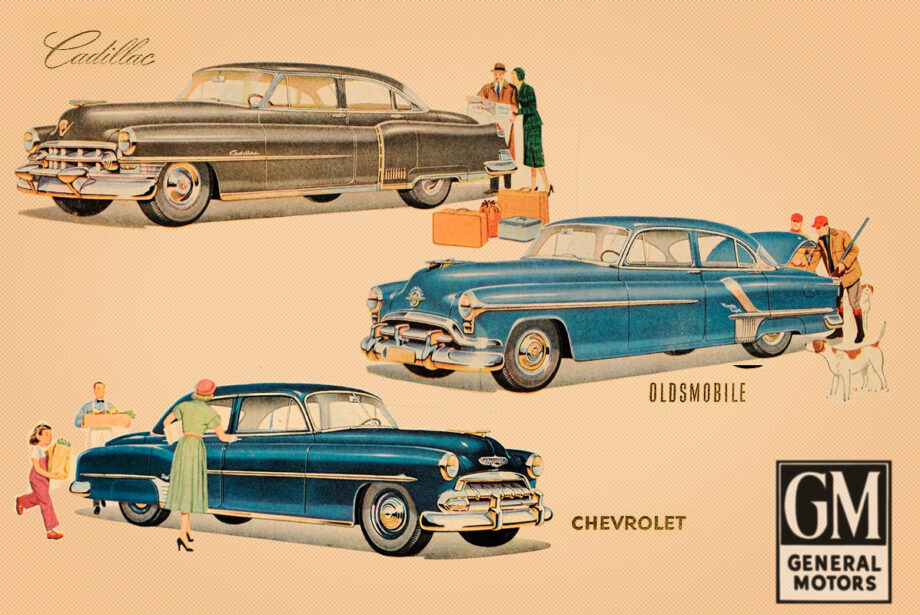
A mid-20th century example of these trade-offs, and the trading-up nature of consumer choices, can be seen in General Motors’ multiple nameplate strategy. The post-World War II consumer started out with a Chevrolet, moved up to an Oldsmobile, but used a Cadillac as the standard. Compromises abound. But all the while, GM reinforced its brand credibility by satisfying the needs and the wants of the consumer where they are. Telling the truth, making good on promises and standing by their products.
Is it the same with politics? Not lately.
Scholars and politicians alike have long stated that compromise is essential to the effective functioning of democracy, indeed to our federal system, where power is by design divided among a central federal government and constituent state and local jurisdictions. The first three articles of the U.S. Constitution establish a separation of powers through three co-equal branches of government, providing for checks and balances. The very nature of our republic demands compromise among equal powers, particularly legislative and executive, in order to function.
Could political parties and their factions use the consumer compromise effect, generally explained above? If so, we could see that if current issues like immigration and border security, health care and defense policy were viewed through the lens of perceived sacrifice — what tactics or minor features do I need to give up to achieve the larger goal for the greater good — then perhaps we would witness some progress on problem-solving.
“If you can get 75 percent of what you’re asking for, take it,” Ronald Reagan said. With his bias for making progress, Reagan further stated, “… and fight for the rest later.” In the world of consumer marketing, that’s akin to trial or sampling. The idea is, if you can get customers to make a purchasing decision based on achieving some, but not all, of what he or she is looking for, you have a better chance of keeping them engaged with your brand and trading them up at a later date.
 |
Craig Douglass is a marketing and research consultant and serves as executive director of the Regional Recycling & Waste Reduction District in Pulaski County. Email him at Craig@CraigDouglass.com. |
 Sign up for Daily E-news