Anyone else humming Jimmy Buffett? Well, that likelihood, like so many things, depends on your age. While the boomers and Gen X may recognize the 1970s hit, I’ve already lost the Gen Zs with the title. It’s hard to engage everyone with the same message.
Banks are facing a similar challenge trying to reach many different generations at one time.
Traditional banks were slow to move forward on technology before the concept was proven. Costs can be high, customer acceptance of new formats can be slow, and there is always pressure to mitigate regulatory risk.
The year of COVID-19 impacted every industry, and while restaurants pivoted, bankers also learned to change the way they operated. Some banks moved to a “Chick-fil-A” model, with employees walking out to meet customers in their car, headsets and all. Others jumped forward with electronic signing of documents and online approvals.
Customer expectations for their financial institutions also shifted in 2020. A recent report from the Bank Administration Institute identified the rapid shift in attitudes toward banking by generation. We frequently hear about the tech-savvy Gen Z. Less than 18% of them are willing to walk into a bank to open an account. The millennials are growing up and even starting to turn 40 this year. Three-quarters of them would switch their primary accounts to an organization that has a better mobile app. Eighty-five percent of the millennials would bank with a nontraditional financial entity like Amazon, Apple or PayPal. That number is even higher for Gen Z.
The Gen X crew is in or nearing their 50s. They are squeezed with full-time jobs, kids at home and managing care for their parents, including their finances. Gen Xers want online account openings for deposits and loans and ease of service. Boomers have had the most interesting shift during 2020. They are still the most likely to walk into a branch, but now more than 30% prefer online account opening. One out of 3 has already opened an online account. More are using online and mobile technology for banking each day.
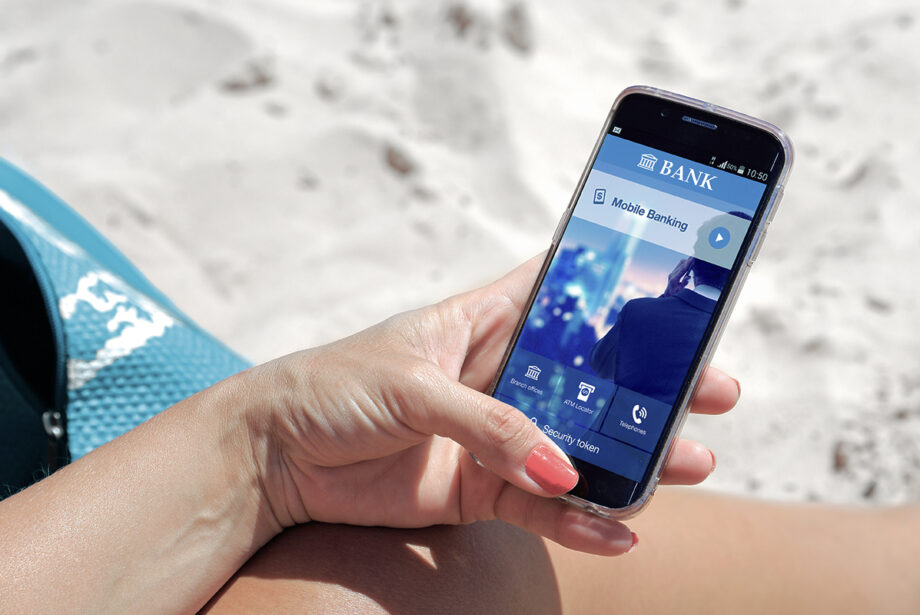
Customers want ease of service and convenience, whether that is via a mobile app or website. If customers can’t find what they want on your site quickly (less than 20 seconds), they leave and search for another provider.
In the post-pandemic era, banks need to evaluate their customers’ requirements. For those bankers still comparing themselves to the local competitor, it is time to adjust your perspective. You aren’t competing with the other community banks in the market. You are competing with the ease of Apple Wallet, Venmo, LendingTree and Karat. It is no longer enough to only have online account access and mobile deposits. Customers want interactive communication with their bankers in real time. They want to open accounts with a few clicks 24/7, at their convenience and with the ability to apply for loans with immediate answers.
Here’s the good news. You can still compete. You can meet the regulatory requirements and provide real-time response. How individuals (and businesses) access their accounts has gone through a revolution. Still, there are some fantastic fintech solutions that can work with your core, your website and your mobile connections to give clients the speedy response and resolution they desire. You can also use analytics to learn about your customer and target products and communications that will meet your clients’ current needs.
The traditional bank model is fading, and a revolution of fintech, bitcoin and mobile apps is creating new ways to access funds. Banks need to evolve with the changing behaviors and attitudes of their clients.
Banks can reinvent their teams with revised customer service roles. Customer service becomes an empowered resolution department able to interact with clients through all forms of communication: text, email, chat, phone and in person. The technology is available to see all forms of communication in real time. You can also use data analytics to suggest a product or service that fits the individual client. There is also cost-effective technology to verify identity and lower fraud risk.
The successful banks will continue the pivot that began in 2020. Loyalty will go to the best operator. That means the best personalized customer service with the right price point and speed.

 Sign up for Daily E-news