
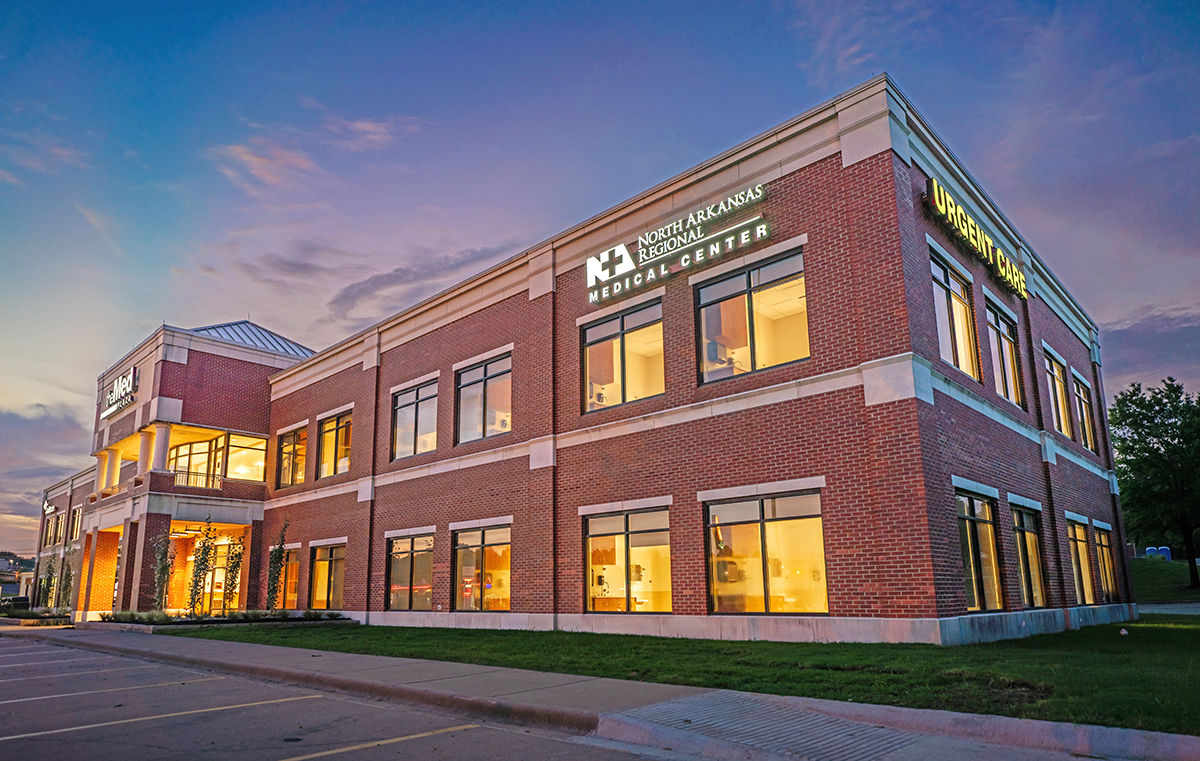
These are difficult economic times for rural hospitals, and North Arkansas Regional Medical Center in Harrison is no exception.
NARMC announced in December it was cutting about 3% of its workforce and closing two of its 18 rural clinics. It called the moves a “proactive effort” to control expenses in a time of declining revenue.
President and CEO Sammie Cribbs Roberson said the hospital also merged other services and improved its telemedicine availability to increase access to more rural patients while the administrative staff took voluntary pay cuts. The layoffs, which affected about 25 of the hospital’s 750 employees, were tempered somewhat by the fact many of those affected found other positions in the system.
The struggles facing NARMC and other hospitals are complex, but inflation in recent years is a factor. Rising costs for labor, equipment and medicine make running a hospital more expensive, and insurance reimbursements for health services haven’t offset those rising costs.
Hospital expenses nationally increased more than 17% between 2020 and 2022, more than double the 7.5% rate of Medicare reimbursements, according to research from the American Hospital Association. NARMC said it regularly receives just 30% of total charges from reimbursements, either from Medicare or private insurers, an accounting game peculiar to the health care industry.
“The actual cost of care is what it actually costs the health care system to provide the care to the patient,” Roberson said. “The insurance company has what it calls a contractual with the health care system or the physician. There is just a huge deficit in the amount that is paid to the provider from the insurance company and what the actual cost of care is. And that cost of care is increasing because of inflation.”
Roberson said rising costs have hit all areas of the hospital operations. “We really just need payments to hospitals from insurers to cover the cost of care with inflation,” Roberson said. “We recognize that insurance companies are doing their best to control costs and take care of the insured lives they serve, and hospitals are doing the same.”
Community Impact
Roberson said it is important to not underestimate the importance of a hospital to a rural community.
Harrison, with a population of 13,000-plus, is the county seat of Boone County in north-central Arkansas. North Arkansas Regional Medical Center is the county’s second-largest employer after FedEx Freight, and its annual payroll of $50 million provides significant tax revenue to the city and the county.
“Hospitals are a huge economic impact to these rural communities,” Roberson said. “That is the piece we are missing. Just losing a hospital in a rural community is more than just health care services. It is the infrastructure that holds that community together.”
It is also the hospital that delivers Boone County’s babies and mends broken bones and comforts and supports its elderly citizens. The hospital delivers more than 500 babies a year, sees more than 23,000 emergency-room visitors annually and has more than 90,000 clinic visits yearly, Roberson said.
“When you look at patient volumes, we need to have the resources and access available for patients,” she said. “We need to be able to provide certain levels of care, and there are costs associated with that care. Sometimes when you have lower volumes, that leads to higher costs because you still need the same resources and training for your staff to provide those treatments.”
NARMC also has the same regulatory headaches and operational complications as larger hospital systems. Smaller hospitals, like smaller banks, find keeping up with regulation paperwork more time-consuming because they have smaller staffs.

One particular challenge is authorizations, such as when an insurer denies coverage for a service provided. The conflict is often resolved by the hospital or individual provider appealing to the insurer on behalf of the patient; it can become a burden for a smaller system.
“That forces hospitals and health care systems to go back and try to recoup that payment,” Roberson said. “That is a huge concern.
“Unfortunately, the patient is caught in the middle. Our job from a health care perspective is to make sure the patient is able to access the care they need.”
The Future
Roberson said she and her staff were methodical in the changes the hospital made to reduce costs. But the changes aren’t necessarily a long-term solution. Many rural hospitals, similar to North Arkansas Regional Medical Center, have closed in recent years.
Nearly 200 hospitals have closed since 2005, according to the Sheps Center at the University of North Carolina in Chapel Hill. Between 2013 and 2020, 101 rural hospitals in the United States closed, approximately 4% of the overall total.
Just 18 rural hospitals have closed in the past three years.
Added to continuing increases in labor costs is a new expense: cybersecurity costs. Roberson said hackers attacking hospital systems can create havoc. NARMC’s cybersecurity expenses have increased 35% in recent years.
“We are seeing these cyberattacks on health care systems that are shutting down entire hospitals and making them reduce services,” Roberson said. “Patients are losing access to care while they get those attacks resolved.”
Roberson said she is confident the cuts and adjustments that NARMC made in December will help NARMC’s finances.
She said the hospital’s main goal was to maintain health care access and let NARMC’s patients know they were still going to be cared for.
But until insurance reimbursements can be brought more in line with health care costs, the long-term outlook is hazy.
The cuts may continue.
“The more adjustments that have to be made, the higher the risk of impacting patients’ access to health care,” Roberson said.
 Sign up for Daily E-news