
The COVID-19 pandemic has made the job market for new attorneys uncertain and diminished the number — and perhaps quality — of clerkships that connect students to jobs.
In addition, students will have to be more flexible in the practice areas they pursue, as the pandemic changes which areas will need them, according to two attorneys, a law school dean and a recent law school graduate.
“I think, like everything COVID-related, it’s hard to quantify and hard to measure right now what the true effect on those new lawyers and graduating lawyers will be. I think it’s still too early to tell, but I do think we’re definitely going to see an impact,” said Amanda Wofford, recruiting coordinator for the Rose Law Firm in Little Rock.
Traditionally, larger firms make job offers in September or August, mostly to third-year law school students, who will begin working at the firms when they graduate and pass the bar.
Most students serve as law clerks before they get offers, either during the school year or over the summers.
“So they’ve got several opportunities to clerk for firms, and the idea is to either — if you find a firm that you think is the right fit — stay there and hope that you’re going to get that job at the end of the day,” said Diana Snyder, assistant dean for career services at the University of Arkansas at Little Rock’s William H. Bowen School of Law. “Or if you aren’t a put-all-of-your-eggs-in-one-basket kind of person, clerk as many places as you can and you’ve got all these contacts to reach back out to to get a job after graduation.”

Though Snyder is still hearing from some students who say they’ve landed jobs, she also described job market uncertainty. She said many students have asked her what they can expect when they start looking for a job. She tells them that she doesn’t know, that no one knows, because of the ongoing pandemic.
Snyder is hopeful that, when businesses reopen, law firms will have a backlog of cases that need immediate attention and will hire new attorneys to handle that backlog.
Robbi Rosenbaum, who graduated from the Bowen School in May and has accepted a job offer from Quattlebaum Grooms & Tull, said some students who don’t have jobs lined up are putting off taking the bar exam because it’s expensive and their families are struggling in the pandemic’s economic downturn.
She said the examination fee is $1,000, and students spend another $2,000-$3,000 on software to prepare for the bar. Working while studying for it isn’t recommended.
Though Rosenbaum is planning to take the exam in September, she said, “I totally get that the people who don’t have jobs yet, it’s a big decision, and it’s a gamble that they’ll have to take: ‘Do I want to take the bar now and spend all this money when the job is not for certain?’”
Kristen Minton, director of bar success at the Bowen School, said in an email, “Some students have deferred taking the bar exam but many of them had ancillary reasons and COVID tipped the scale. The vast majority of students are ready to take the bar and move on to the next chapter of their lives.”
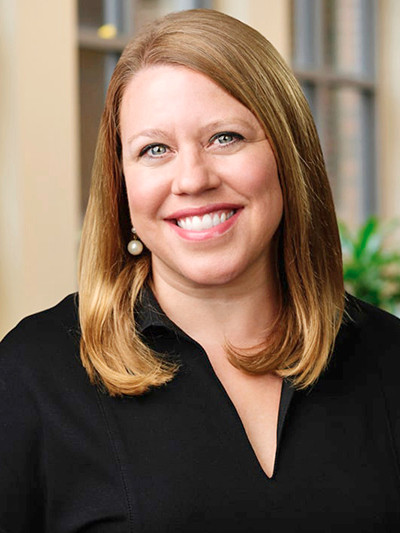
“I think, like everything COVID-related, it’s hard to quantify and hard to measure right now what the true effect on those new lawyers and graduating lawyers will be.”
AMANDA WOFFORD
Rose Law Firm
Twofold Issue
An additional concern is clerkships. Several firms won’t offer those this summer, and some students lost their spring clerkships, thanks to the pandemic.
“For students, it’s a twofold issue, because they’re concerned on the one point that they’re not getting that experience. They’re not being able to build their resume with those experiences,” Snyder said. “And they’re not getting any financial means to live on during law school because they’re not making money at clerkships. So it’s kind of a twofold hardship for them.”
Some clerkships went virtual, but something critical to relationship-building is lost in that format, both Snyder and Rosenbaum said.
“When firms hire law clerks, they know that they can do the work already, so the clerkship is more about getting to know the person and the firm,” Rosenbaum said. Snyder said mentoring happens when attorneys interact with students in person, daily, and have coffee with them, for example.
Wofford, with the Rose Law Firm, said, “I see that as an immediate problem, that pipeline of programs that the students are exposed to, those clerkship opportunities during school, that will have the ripple effect for them more than three years down the road on what their job opportunities are. But I also see a change in, as a result of COVID, on practice areas.”
Megan Hargraves of Mitchell Williams Selig Gates & Woodyard expects to see a shift in the practice areas new attorneys are hired to work in, though she said that that expectation was based not on what her firm is doing but on what she’s hearing from industry insiders.
Every professional brought up bankruptcy as a practice area that may require more attorneys after the pandemic. Other practice areas they expect to grow include health care, banking and employment law.
Rosenbaum, the recent grad, planned to work in commercial real estate law during her first year at Quattlebaum Grooms & Tull. That’s a practice area that may need fewer attorneys as businesses realize employees can work from home (as they did during the pandemic), forsaking the office.
“My first year as an associate,” Rosenbaum mused, “might look way different than I thought it would.”
 Sign up for Daily E-news