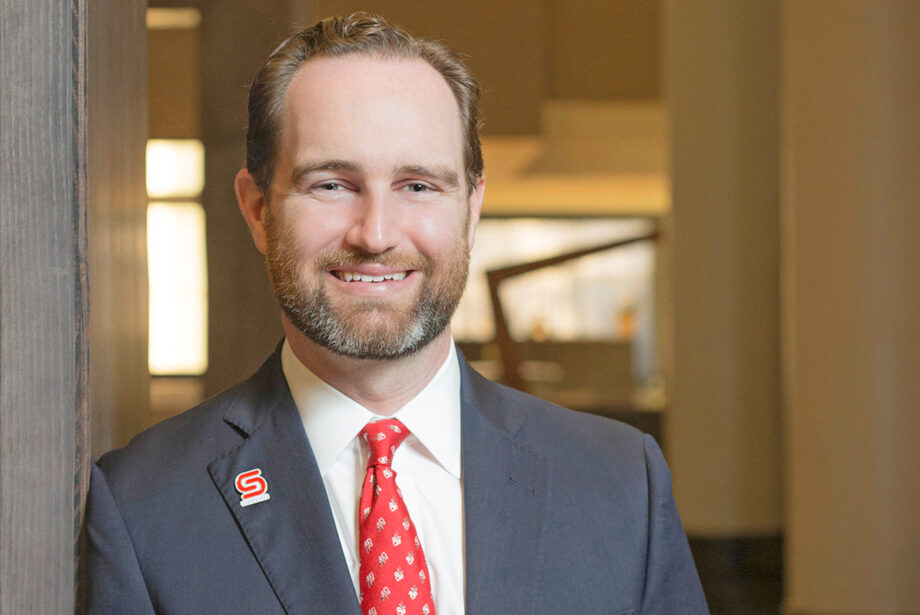
James Quick, president of SimpliFi.
In recent weeks, the demand for travel nurses first soared and then collapsed, upending another industry jolted by the worldwide coronavirus pandemic.
Around the end of March, “all the health systems that we worked with were saying get us nurses, we need nurses,” said James Quick, president of Simplifi, which offers staffing services to health systems and is a division of Travel Nurse Across America of North Little Rock. “The whole industry was placing nurses at a rapid pace.”
Instead of billing hospitals at the national average rate of around $75 an hour for nurses, some were charged $150 because of the high demand, said Bambi Gore, Simplifi’s chief clinical officer.
And it wasn’t difficult finding nurses willing to work, she said. Nurses “are a very special profession, and in times of crisis they want to respond,” Gore said. “They want to go where they can be the most supportive to those patients.”
But the demand for nurses “totally shifted” around the week of April 13, Quick said. Health systems canceled most of the nurses they requested and canceled orders for nurses they had in place, he said.
For some hospitals, the expected surge of patients with COVID-19 didn’t materialize. Hospitals also were reporting that patient volumes were falling because people were avoiding hospitals and elective procedures were banned as a precaution.
Quick said the hospital systems were reducing or eliminating contingent labor — the core of which is travel nursing — while their revenue fell.
In Arkansas, several health systems have announced furloughs in the last several weeks to reduce costs while their patient volumes are down during the pandemic.
“Everybody now is trying to just get their arms around this … and how to best weather this,” Quick said.
Federal and state public health officials have issued directives that prevent hospitals from doing elective procedures. But Quick said that he believes there’s going to be a need for nurses once the ban on elective procedures is lifted.
“Talking to hospitals, they all have backlogs of hundreds — and the big health systems have backlogs of now thousands — of elective surgeries,” Quick said. He said he thinks the need for nurses will come between June and September.
“And when that happens, there’s going to be an incredible demand,” he said.
 Sign up for Daily E-news