THIS IS AN OPINION
We'd also like to hear yours.
Tweet us @ArkBusiness or email us
During the 1970s I had the honor of serving on the staff of the Arkansas House of Representatives. In each of the odd-numbered-year regular sessions of the Legislature, more than a thousand pieces of legislation were filed. Not all were enacted. Many were not even considered. Legislators sometimes file bills to make a point or to get someone’s attention. That’s just the way it works.
After several regular sessions and periodic special sessions, I wondered if it wouldn’t be good for the Legislature to hold one session just to repeal previously passed legislation. There seemed to be so many inconsequential, conflicting or downright silly laws. A “de-lawing” of sorts was needed, I thought. Short of that, eliminating regulations adopted to promulgate the legislative intent of bills that become acts or laws would be pretty close to the same thing.
Regulations flowing from laws passed by state legislatures and Congress are the implementing rules that put modern governments into motion. Regulations either require action of someone or something or prevent it. And we have had notable periods of active regulation, deregulation and re-regulation — at least since the progressive reform era shepherded by Theodore Roosevelt, which saw precedent-setting regulations on such industries as the railroads, banks, food and drugs. Roosevelt branded his 1901-09 administration as the “Square Deal,” championing conservation, corporate controls and consumer protection.
Deregulation was notably the mindset of the Reagan presidency, followed by re-regulation under President Barack Obama after the Great Recession.
There now seems to be a concerted effort by federal agencies to end or limit Obama-era regulations, or to simply not enforce them. The disdain for what many in the administration believe are burdensome rules is evident in the statements and actions of Mick Mulvaney, director of the federal Office of Management & Budget.
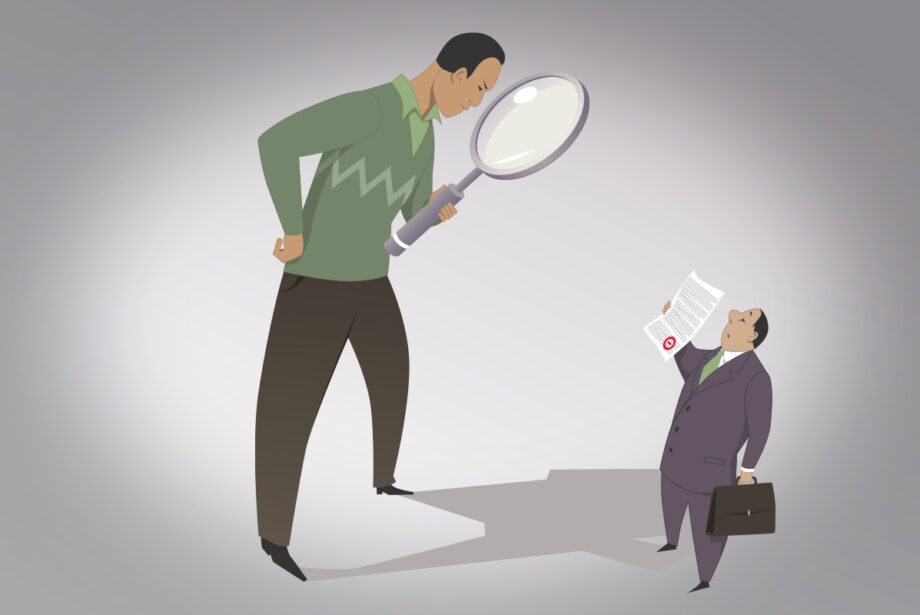
Mulvaney aimed first at the Consumer Financial Protection Bureau, established after the 2008 financial meltdown. In the crosshairs are what Mulvaney calls the “slow cancer” of government regulations. According to a March 6 Washington Post report, Mulvaney calls the CFPB a “joke” and celebrates the cutting of the agency’s budget and restricting its enforcement powers “to prevent actions that unduly burden the financial industry and limit consumer choice.”
Caveat emptor: Let the buyer beware.
Followed more strictly as a consumer admonition, this notion places consumer choice ahead of consumer protection. The burden, then, is not on government regulation but on corporate self-regulation and on ourselves to investigate claims made by products and services and inspect the veracity or performance of those claims before selection and purchase.
Perhaps a case could be made for the explosion of third-party validation and the “likes” and other forms of recommendation posted on social media as a new form of consumer protection. Try it, you’ll like it!
These may be extreme examples. The fact remains, however, that in the last 18 months there has been, as noted by Mark Totten, a Michigan State University law professor who studies consumer protection laws and regulations, a systematic “dismantling of consumer protection” in the United States.
Further, the same March 6 Washington Post report on the issue quoted White House Deputy Press Secretary Lindsay Walters’ statement that the administration “has put the focus of consumer protection back where it belongs: on protecting consumers and enabling them to make better decisions for themselves.”
Whether it’s meat inspections, defective baby cribs, predatory lending practices, automobile lemon laws or the amount of carbohydrates and trans fats in a serving of your favorite snack, consumer protections through government regulations are seen by some as appropriate and necessary to a large and complex society. And for a country that has been historically and wildly successful based on the enabling of individual choice and responsibility flowing from the exceptionally American ideals of democratic capitalism.
Others see government regulations as stifling to the business of America, which is business (to mangle a quote by Coolidge).
What is the balance to be? Where would we find the equilibrium of checks and balances envisioned by the founders? Political consumers, voters, may soon weigh in.
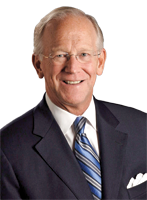 |
Craig Douglass of Little Rock is a communications and research consultant and serves as executive director of the Regional Recycling District. Email him at Craig@CraigDouglass.com. |
 Sign up for Daily E-news