Craig Douglass
THIS IS AN OPINION
We'd also like to hear yours.
Tweet us @ArkBusiness or email us
The highest average recorded price of regular gasoline at the pump in Arkansas is $3.97. That pinnacle was reached in July 2008. More important, however, is the fact that only one year ago, the average price was $3.09. And today, the average at-the-pump price of regular is $1.90.
As we reported a couple of months ago, there exists in the Arkansas economy today a gas price dividend. And that means weekly consumer savings of at least $15.25. So how are you spending the extra money? Or how should you?
Research reported to financial news network CNBC by Cardlytics, a credit and debit card-linked marketing firm, shows that although consumers increased their gas consumption last year by 2 gallons a month, the net savings were real. And speaking of savings, the extra money didn’t go into the nest egg. It immediately went into the economy through discretionary spending. What’s more, consumers nationwide increased spending over and above the net amount saved by lower gas prices. So it appears that there is a “euphoric-spending effect” created by falling oil prices, an effect that is more than rippling through the economy to the benefit of consumers and the businesses from which they choose to make purchases.
Here is a quick-reference list of where the extra money was and wasn’t directed, from December 2013 to December 2014, as reported by Cardlytics:
| Online Shopping | 10.3% |
| Fast Food | 8.0% |
| All Restaurants | 7.0% |
| Full-Service Restaurants | 6.8% |
| Home & Garden | 6.2% |
| Grocery | 5.7% |
| Auto Service & Products | 4.5% |
| Health & Beauty | 3.0% |
| Bars | 1.4% |
| Office Supplies | -4.0% |
| Banquet & Caterers | -5.7% |
| Sporting Goods | -6.6% |
The numbers support the notion that consumers continue to look for value through comparison shopping and bargains, while stretching their dollars, although there is more cash in their pockets. Note that online shopping and fast food restaurants were the big winners.
The bottom line is, overall spending was up about 2.3 percent, with a premium in spending of 5.3 percent enjoyed by retail and restaurant categories. That’s consumer confidence, which continues to rise as measured by Nielsen for the Conference Board. In fact, today’s consumer confidence index is at 102.9, a dramatic increase from 92.6 in just one month (1985=100).
Now, when we first reported on the gas price dividend back in December, we encouraged consumers to spend. That idea was informed by the fact that savings from low gasoline prices were, in some small way, replacing stagnant wages. So our thought was, it is time to loosen up a bit and increase participation in the economy. We would be less than balanced, however, if we didn’t gently admonish folks to also consider dedicating a modest amount to savings, now that it appears clear that gas prices may stay relatively low for the balance of the year and inflation is nonexistent.
As we pay attention to financial consultants, and some on-air media advisers, it appears the general rule of thumb would be to enjoy spending 70 percent of the savings, while socking away 20 percent, and consider donating 10 percent to church or charity, or make a wise decision to begin reducing household debt. (By the way, the Federal Reserve reported recently that credit card balances declined last November at their fastest rate in over a year.) The benefits to the economy of spreading around 70 percent of the windfall are obvious. But saving 20 percent, assuming you deposit it in a savings or money market account or the like, also benefits the economy through loanable or otherwise invested funds. All in all, not a bad idea.
Prices at the pump are down more than 40 percent since June. Lower oil prices due to abundant supply and declining demand, however, are curtailing domestic exploration and causing layoffs in the oil-related economy. So we need to find a balance here, too, understanding that oil prices probably need to stabilize and perhaps rise a bit to the $50- to $60-a-barrel range. Or whatever “Goldilocks” level would ensure ongoing domestic exploration and production, while continuing the trickle-down effect of lower prices at the pump, an effect greatly benefiting lower- and middle-income Arkansans.
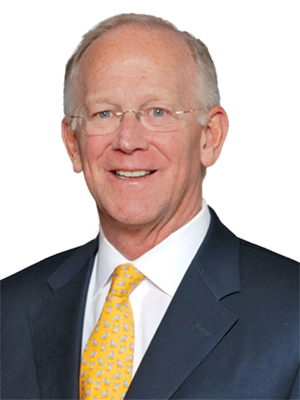
Craig Douglass is an advertising agency owner and marketing and research consultant. He is president of Craig Douglass Communications Inc. of Little Rock. Email him at Craig@CraigDouglass.com.
 Sign up for Daily E-news