THIS IS AN OPINION
We'd also like to hear yours.
Tweet us @ArkBusiness or email us
The result of subtraction is called a “difference.” It’s what’s left when you take one quantity away from another. So, we suppose, subtraction results not only in a difference, but it also can make a difference.
Consumers are often known by, or at least identify with, the companies they keep, the brands they buy. And brands are powerful. Branding a product like Coke or Band-Aid, a service like American Airlines or Kroger or an organization like the Salvation Army or the American Heart Association influences consumer behavior. Brands have reputations. And reputations have value in the marketplace.
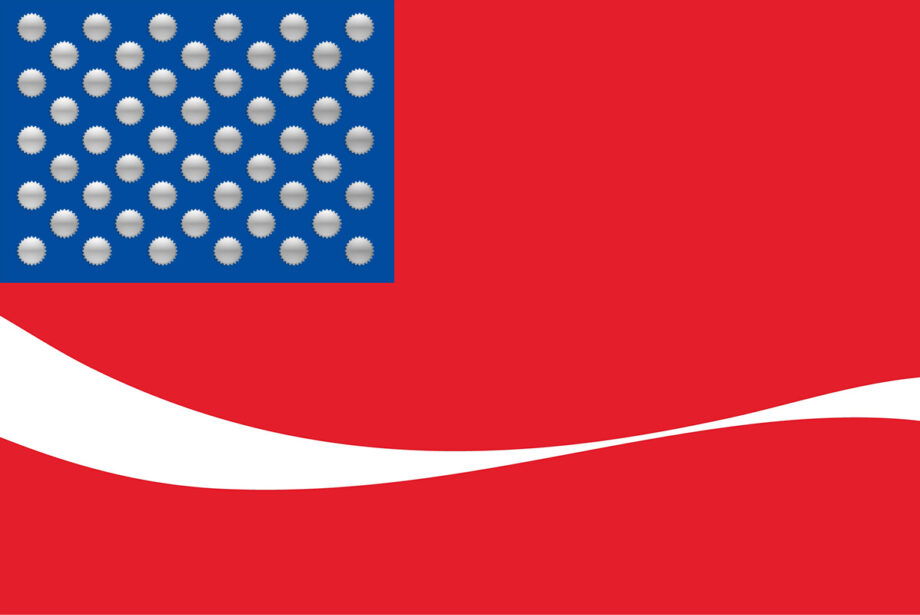
Political parties are brands. Association with a political party — Republican or a Democrat — brands an individual. Fairly or unfairly. Like it or not. Do Republican consumers think differently than Democrats? Do Democrats act one way and Republicans another? We don’t believe one can paint with such a monolithic brush. It’s not as simple as red and blue. But there is a difference. In fact, studies show product and brand preferences differ between self-identified conservatives and progressives.
For example, Harvard Business Review cited in 2018 a Journal of Consumer Research study that posited: “Our research suggests American consumers’ brand preferences are shaped not only by where companies stand on politically polarizing issues, but also by consumers’ own political affiliations and subtle brand associations. In a series of studies, we found that consumers’ political ideology shapes how they choose to differentiate themselves from others in the marketplace.” It is arguable that societal divisions fueled by ideological and political disunion have grown even more striking and salient in the past four years.
Companies with consumer brands understand this. That’s why we’ve seen just in the past three weeks a number of high-profile marques suspend PAC contributions to members of Congress who objected to the certification of the Electoral College results in the presidential election. Companies you know well — like AT&T, Walmart, Comcast, Walgreens, Amazon, Verizon, Best Buy and even Hallmark Cards — have cut off funding to those voting to overturn the election. Most recently, the Boston Globe reported that the Blue Cross Blue Shield Association stated it would suspend political donations to any lawmaker who voted to reject the Electoral College results.
The self-described reason why corporations and individuals contribute is to ensure “access” rather than purchase “influence.” Money opens doors. Money gets an ear. And we fully understand the information-sharing aspect of effective lobbying. Nothing wrong with that. We’ll let readers decide if money buys anything else.
However, when political parties support certain policies, or politicians themselves espouse positions and cast votes that undermine the fabric of our federal democracy, financial contributors to the very system in which they thrive take note. You see their problem. Corporations feel the First Amendment free speech to which they are entitled under the Constitution — speech that includes independent contributions, according to the controversial Citizens United Supreme Court case — has itself been attacked. Add to that the insurrection encouraged by those politicians, and support becomes untenable and outright damaging, not only to the country but to their corporate brand.
Will this be a fundamental change in how political parties and campaigns are financed? We’ll see. What we could experience is the accelerated growth of “527” contributions. The IRS’ Section 527 allows groups registered under this code to raise unlimited funds from corporations and individuals for the purpose of influencing issues, policies, appointments and the like. It could be that we will see increased support from corporations for government policies, which could then encourage consumer alignment, while influencing individual politicians and their parties to get on board.
The scope of a corporate brand is much broader than a consumer product or service. That’s why corporations support their brands across many platforms targeting multiple audiences: charitable, social, political. When it comes to politics and politicians, adding money to the political-influence equation is powerful brand management. Subtracting that money could be just as powerful.

 Sign up for Daily E-news