Nikki Heck
Tom Brady was the hero and 30 seconds of commercial time still sold for about $5.5 million, but in most ways Super Bowl 55 on Sunday was like no other.
It was played on one team’s home field, before the smallest crowd ever, restricted by the country’s worst pandemic in a century.
Even the commercials — and the companies that didn’t buy them this year — reflected the times.
“Fascinating that Coke, Pepsi, Audi and Budweiser aren’t advertising this year,” Denver Peacock of The Peacock Group in Little Rock said. Peacock’s forum itself, a pregame peek at the commercials usually held the Friday before the big game at Cranford Co. of Little Rock, was different. This year’s gathering was virtual.
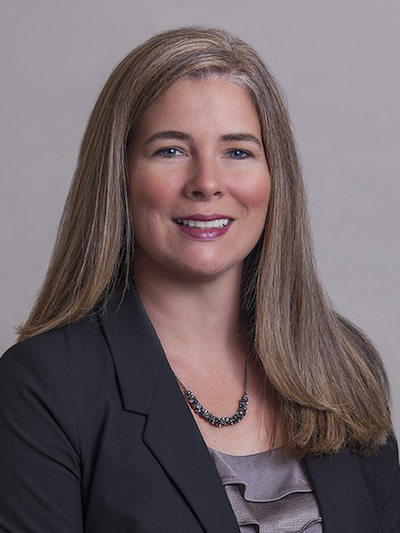
Beyond being a vehicle for the ads themselves, which Arkansas Business will score with local advertising pros in a separate article, this year’s battle between Tampa Bay and the visiting Kansas City Chiefs was a rare and intense moment for public relations, local practitioners Nikki Heck and Kristen Vandaveer Nicholson said.
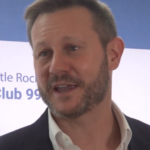
“Brands chose to sit out this year, some for financial reasons, because everybody’s been hit hard by the pandemic, and some brands chose to spend their marketing dollars elsewhere,” said Nicholson, vice president of public relations at MHP/Team SI in Little Rock. “But brands like Budweiser are spending on PR strategies that give back, and they’re getting good publicity for it.
“They’re scoring with customers and employees, too,” Nicholson added, noting that the idea of spending big on a Super Bowl could appear callous in a time of high unemployment. “Anheuser or Coca-Cola may be having job cuts, and their employees could dislike hearing that they’re spending $5 million on a TV commercial in the middle of a pandemic. By choosing to sit out of the Super Bowl, they made a powerful PR move.”
Coke and Pepsi didn’t put on Super Bowl ads, but Pepsi sponsored The Weeknd’s halftime show, and Anheuser-Busch promoted the human connection of “grabbing a beer” in a spot that was not brand-specific. But the absence of Budweiser was a first in nearly 40 years, and money that would have gone for those commercials was donated to COVID-19 vaccination awareness efforts.
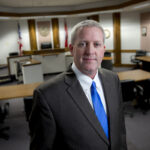
Heck, president of the Arkansas Chapter of the Public Relations Society of America, applauded Budweiser’s aid to “the biggest vaccination campaign in our history,” fighting “a ton of misinformation” that’s making far too many Americans wary.
“It’s taking a huge team effort globally not only to inform the public about the safety and importance of the vaccine, but also to distribute it,” she said.
Heck, director of public affairs for the state Commissioner of Lands office, said only 40 million of 300 million Americans have been vaccinated so far.
“So you’ve got brands like Budweiser who are redirecting some advertising dollars to education efforts, and there are plenty of opportunities to help, and not just on the education side,” she said. “They can help with distribution.”
Heck reminded Nicolson of a “funny thought” she had along that line.
“Imagine a Budweiser or a Coca Cola or similar company with a major fleet of vehicles setting them up as resources to move vaccines to rural or vulnerable areas,” she said. “There are several cities around the country that are starting to do their own type of mobile vaccine clinics. Companies that are rich in resources should consider teaming up with local health officials to get the vaccine out there.”
Nicholson said this year’s Super Bowl was also a venue for brands to promote their social responsibility, something that doesn’t come cheap.
“Corporate social responsibility is more important now than ever, and it resonates with more consumers with buying power,” Nicholson said. “Gen Z is the most diverse generation that we’ve had in history, and that represents 40% of consumers. These consumers want to spend their money with brands that have a strong message, who are standing for something.”
One example was General Motors’ 60-second commercial featuring Will Ferrell, Kenan Thompson and Awkwafina.
The commercial capitalizes on recent publicity on the company’s pledge to bring 30 new electric vehicle models to market by 2025.
“Being a good corporate citizen is the right thing to do, but it also can get good publicity and score with consumers,” Nicholson said.
 Sign up for Daily E-news