THIS IS AN OPINION
We'd also like to hear yours.
Tweet us @ArkBusiness or email us
Uncertainty. Oh, how it roils the financial markets. Wall Street abhors uncertainty. It slows or delays investment in financial instruments that provide credit and in publicly traded companies, companies that produce, distribute and market goods and services. And with the latest reports on the decline in positive consumer sentiment, apparently we consumers don’t like uncertainty either.
The current increase in tariffs, which is affecting trade between the U.S. and scores of other nations (including our closest allies and even two islands near Antarctica inhabited only by penguins), has created an unreliable and indecisive economic environment soon to affect you, me and consumers from coast to coast.
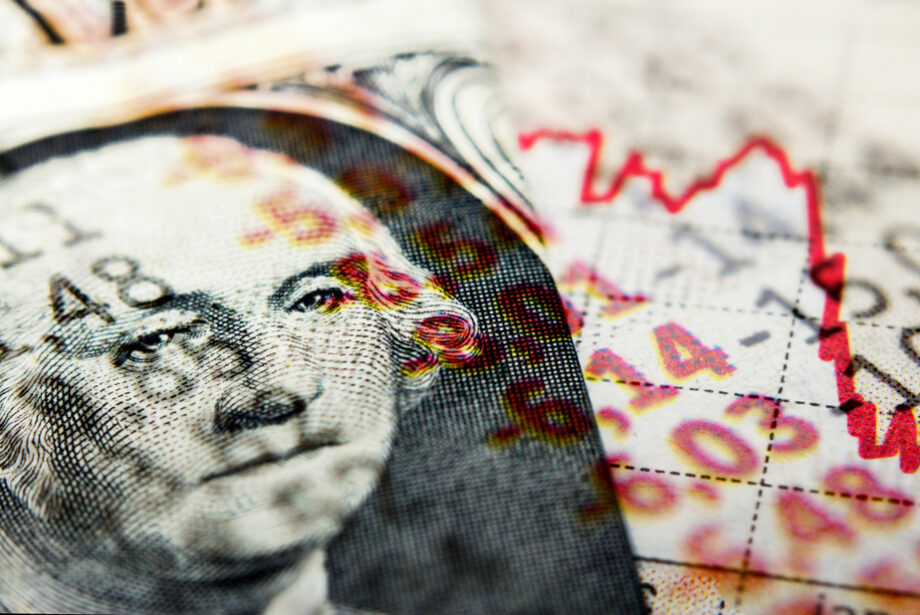
The vacillating strength of the dollar and the stock and bond market indices, prices and yields signal the path. Whether or not you are an investor (if you’re not, your retirement account is), the current financial upheavals will soon come home to roost. And roost they will on the president, his advisers and Washington’s political majorities, but, most importantly, on the price and availability of consumer goods — the stuff we buy at a store or online. Less choice, higher prices.
While I watch CNBC, not knowing half of what they’re talking about, it is clear the cost of disruption in trade caused by subjective increases in tariffs includes a slowdown in investments, stagnates economic growth and delays consumer consumption. Consumer spending fuels 70% of the U.S. economy.
The results, then, are a reduction in the manufacture of goods, interrupting the flow of domestic and international supply chains, thus creating a shortage of what we routinely purchase. Inflation.
The bottom line after all the above machinations is people lose their jobs at coastal ports receiving imported goods all the way to the local small businesses.
There is a base 10% tariff on all countries with which we trade. This across-the-board duty was announced on April 2 but then paused for 90 days. Except on China, where the tariff is 145%. A trade shot heard round the world.
It is difficult at this moment to continue to list relevant economic impacts of the trade kerfuffle. It keeps changing. On again, off again. But that’s the point: Individual households and local, national and international businesses simply cannot develop, revise and implement business plans to effectively guide family budgets and business blueprints. The economy is frozen. Paralyzed.
I can’t help but cite one more example: The current administration has a goal of reshoring high-tech manufacturing (among other manufacturing categories). That would mean smartphones and computers and their components all being made in the U.S. And yet, after the three-digit tariffs were levied against China to encourage that transition, the president announced exceptions to the levied tariffs for electronics being made in China. I’m flummoxed.
Count on significant cost-cutting and delay of future spending, read investing. While layoffs have yet to occur, hiring is slowing. The recent addition of 177,000 new jobs as reported for April by the U.S. Department of Labor is backward looking. The forward projection, although uncertain, will most likely further reflect the turmoil.
Stability in the markets doesn’t necessarily mean showing our hand in negotiations. Stated goals and objectives, and then a clear-eyed strategy informing tactical incentives, may be a better path for incremental change. A middle way. Let’s go out on a limb here and call it a plan.

 Sign up for Daily E-news