THIS IS AN OPINION
We'd also like to hear yours.
Tweet us @ArkBusiness or email us
As readers of this monthly effort may know, one of the hats worn is that of executive director of the Arkansas Good Roads Foundation. It is an honor to serve this organization.
In this role, foundation activities are managed to provide an added voice for the objectives of the Arkansas Highway Commission and to promote adequate funding for a safe and effective system of highways. The ultimate goals are greater economic activity, enhanced economic development and the creation and sustainability of private-sector jobs.
Efficiently maintained and constructed highways are critical to the well-being of the Arkansas consumer and the economy we enjoy. Without essentially maintained roadways, commerce becomes impaired, impotent and inconstant, making goods unaffordable, safety uneven and jobs unstable.
A much-needed increase in annual highway funding is a problem. It’s a problem because the needs are so great, and the options for attainable, incremental funding are limited. In order to achieve the increases necessary to benefit all Arkansans, public involvement is needed in the development of new public policy leading to increased funding.
Many believe greater participation by the public in government decision-making leads to widespread benefits. In the case of highways, consumer involvement — that is, involvement by road users — would result in consensus-building in the more difficult areas of public funding based on taxes and fees and, as important, on the proper allocation of existing capital created by taxes and fees that already exist, but may be misapplied.
The Federal Highway Administration believes public participation is an “integral part of the transportation process which helps to ensure that decisions are made in consideration of and to benefit public needs and preferences.” The FHWA seeks to bring diverse viewpoints and values into the decision-making process, thus building mutual understanding and trust with the public they serve.
The Arkansas Highway & Transportation Department routinely employs the same public outreach on most, if not all, major highway projects.
During the formation of the Blue Ribbon Committee on Highway Finance, the committee’s 2009 legislative mandate was to “Seek to actively involve the public as full and valued partners in determining adequate financing of the present and future needs of the state highways, county roads, and city streets within the state.” That undertaking resulted in two successful funding strategies adopted by Arkansas voters. The first was the passage in a 2011 special election of the Interstate Rehabilitation Program, and then in the 2012 General Election, the approval by 58 percent of Arkansas voters of a temporary half-cent sales tax for highway improvements, including the creation of a city aid program for city streets (which mirrored an existing county aid program).
These issues passed because road-user consumers were brought into the research and planning process.
Arkansas once again has the opportunity to include the public and other highway stakeholders as a long-term funding strategy is developed over the balance of the year. Gov. Asa Hutchinson has recognized this need as a complement to his successful Highway Improvement Plan, passed at a special session of the Legislature earlier this year. The governor’s critical leadership on this issue, supported by focused efforts from the Arkansas Good Roads Foundation to build a consensus for such a plan, will once again “seek to actively involve the public as full and valued partners.”
Now, as we consider the highway challenge, we also think about our democracy, particularly in the midst of our country’s quadrennial responsibility to elect a president. It seems to us, Abraham Lincoln summed up the impact of public involvement in two quotes, of which we have recently been made aware:
♦ “The legitimate object of government is to do for a community of people whatever they need to have done, but cannot do for themselves.”
♦ “Our government rests in public opinion. Whoever can change public opinion, can change the government.”
One of the core functions of government is building and maintaining public roads. Public involvement in that function is both desirable and necessary if progress is to be made.
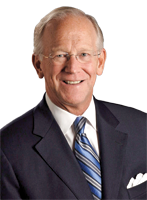 |
Craig Douglass is a Little Rock-based advertising agency owner, and research and marketing consultant. He also is executive director of the Arkansas Good Roads Foundation. Email him at Craig@CraigDouglass.com. |
 Sign up for Daily E-news